
WTM Visual Intelligence · Conceptual imagery
Trace the relationships between power, territory, institutions and the choices that shape global consequences.

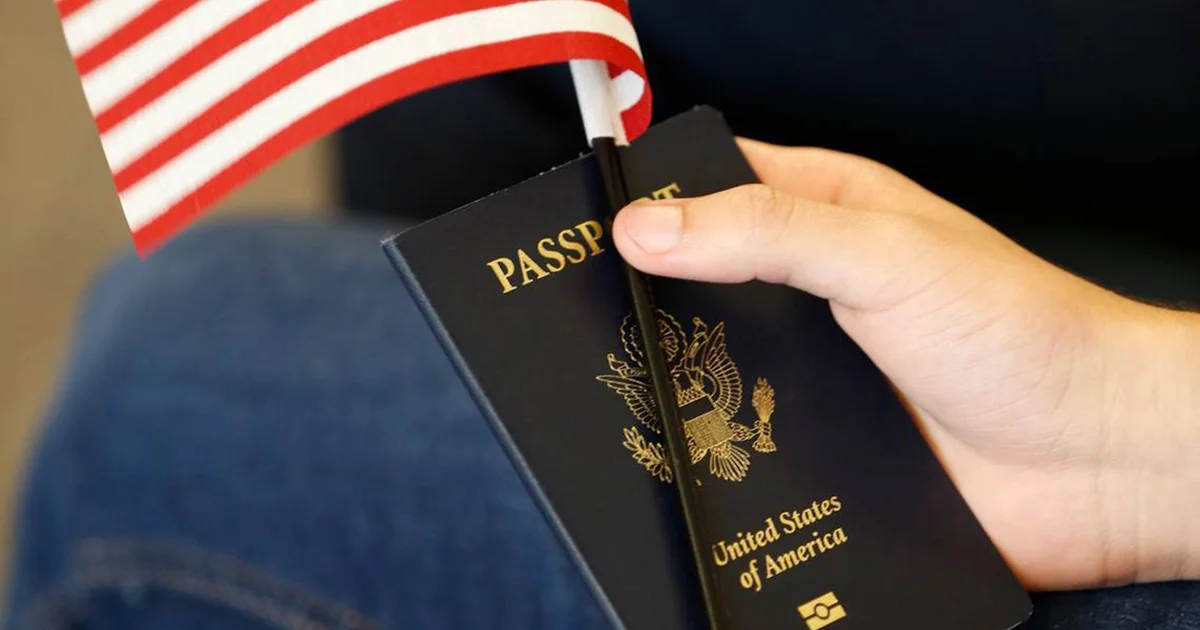
The U.S. Supreme Court’s reinstatement of restrictions on gender-inclusive passports has reignited a quiet crisis of belonging. It is not simply about travel. It is about who decides the architecture of identity—and whether selfhood must pass through permission.

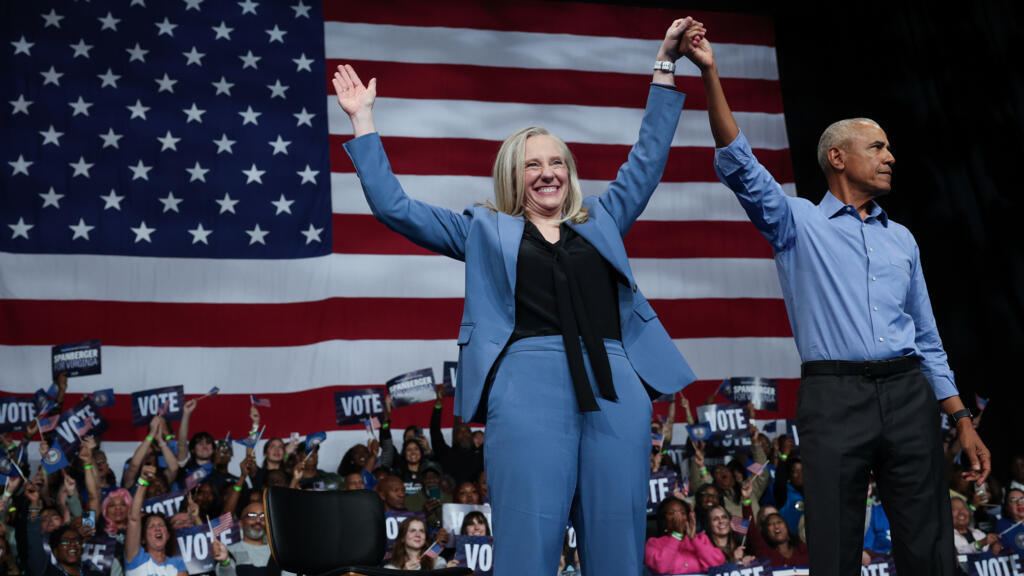
In an era addicted to outrage, the Democrats’ resurgence in 2025 did not arrive with spectacle but with structure. Beneath the surface of social media drama, a silent recalibration unfolded — a lesson in operational intelligence for a democracy under strain.

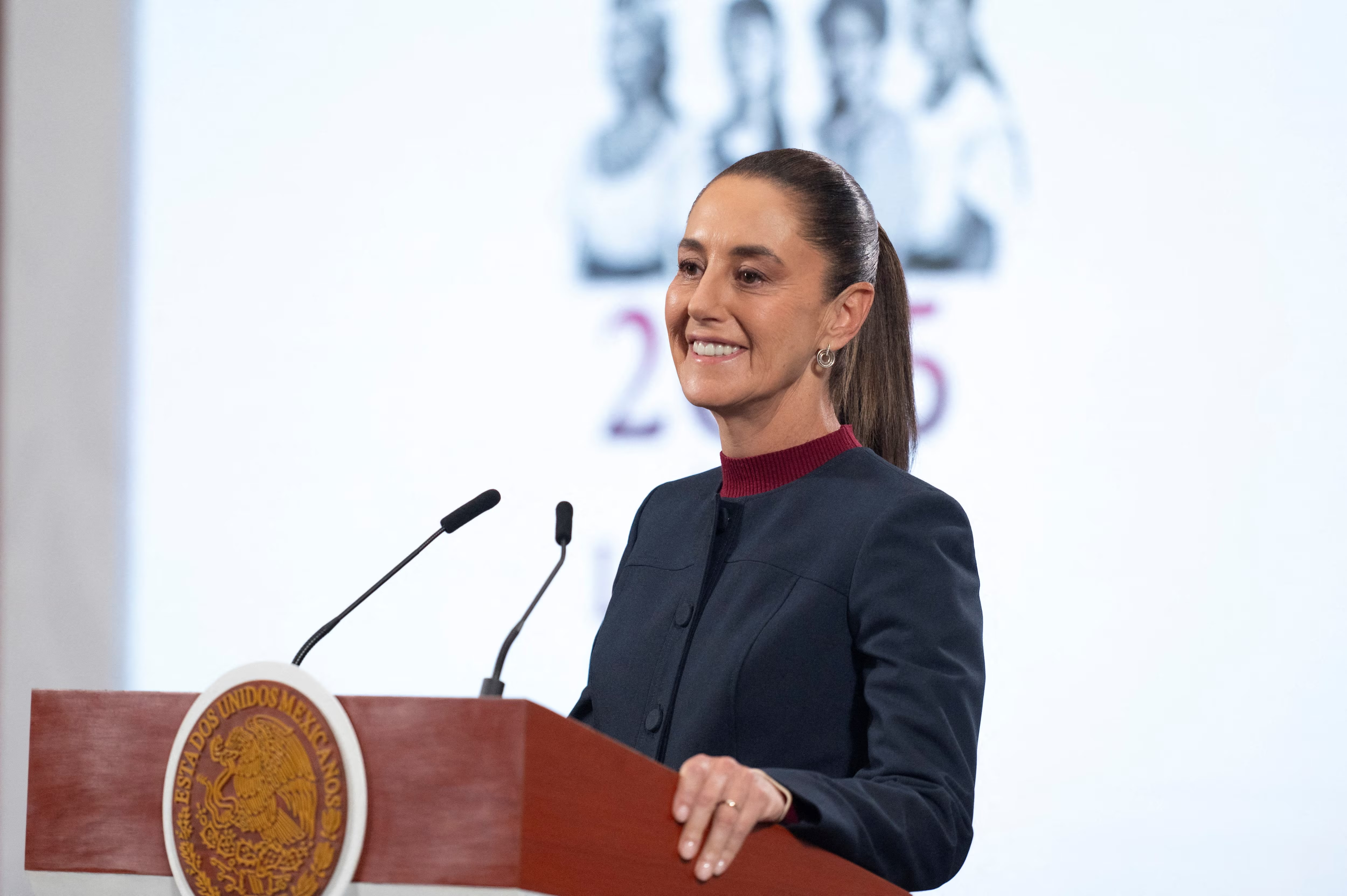
When Mexico’s President Claudia Sheinbaum pressed charges after being groped during a public event, the gesture reverberated far beyond Mexico City. It was not the reaction of a victim, but the assertion of a leader—an act that reframed consent, dignity, and power in one move. “No one, not even the President, should normalise disrespect.” — Claudia Sheinbaum, Mexico City, 2025

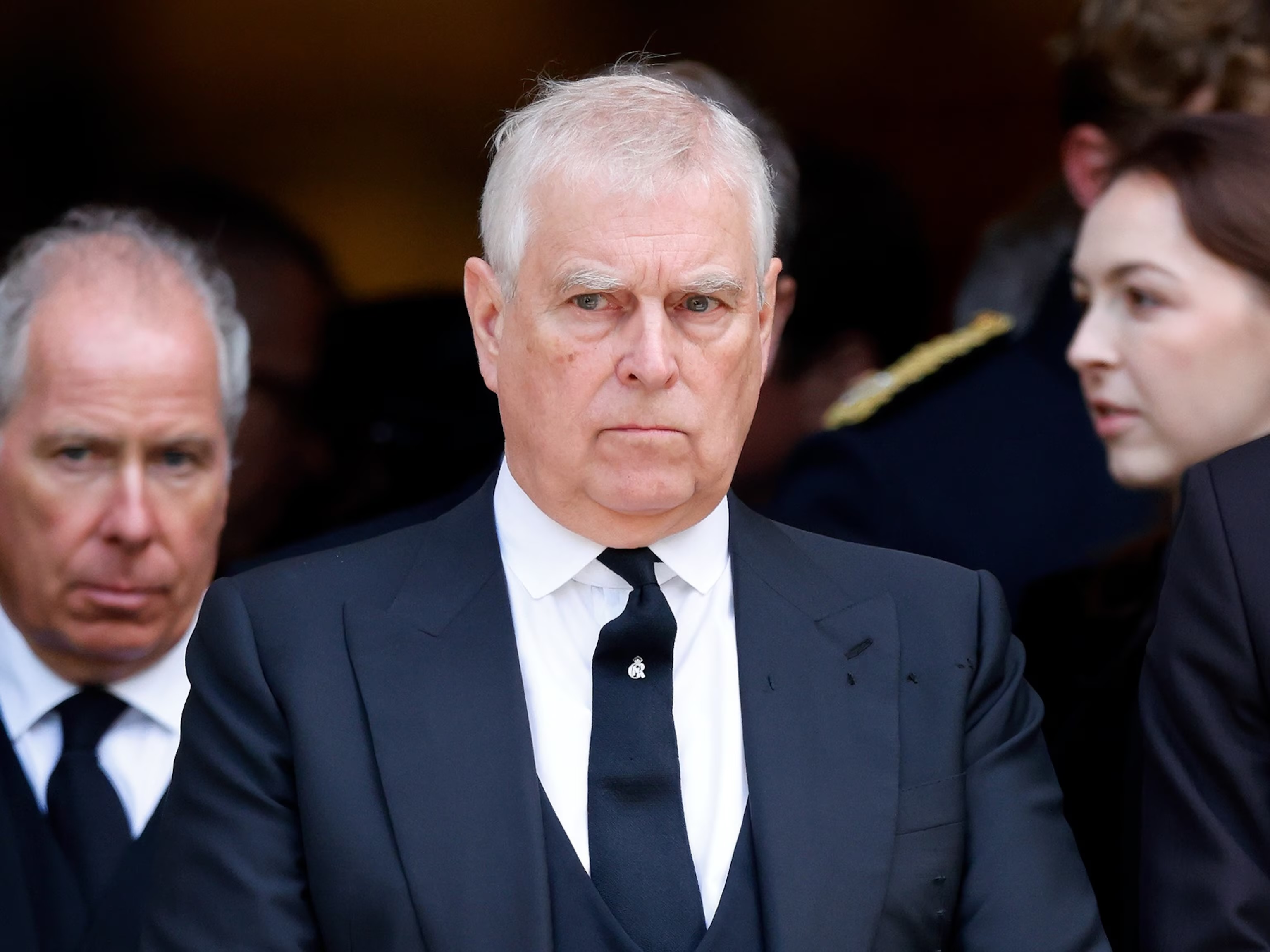
Buckingham Palace’s decision to strip a royal of titles is not a scandal — it is a system recalibrating itself in public view. What this moment teaches us about ethics, identity, and institutional evolution.

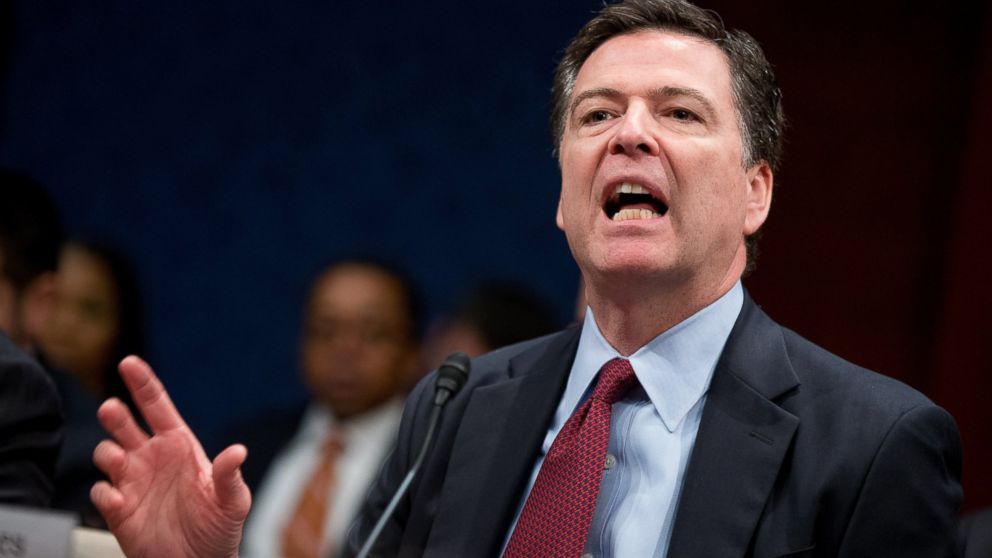
The indictment of former FBI Director James Comey reverberates beyond politics — carrying an implicit warning to Supreme Court justices about independence, legitimacy, and the future of American law.

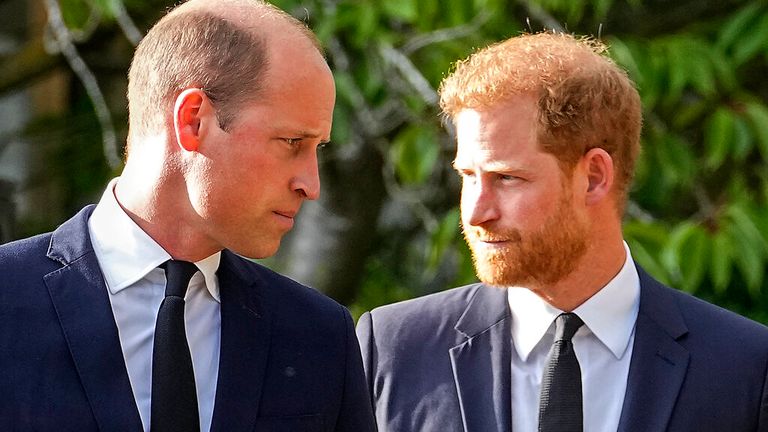
Prince William and Prince Harry’s fractured relationship is more than a family rift—it is a mirror of monarchy, media, and the fragile future of tradition.

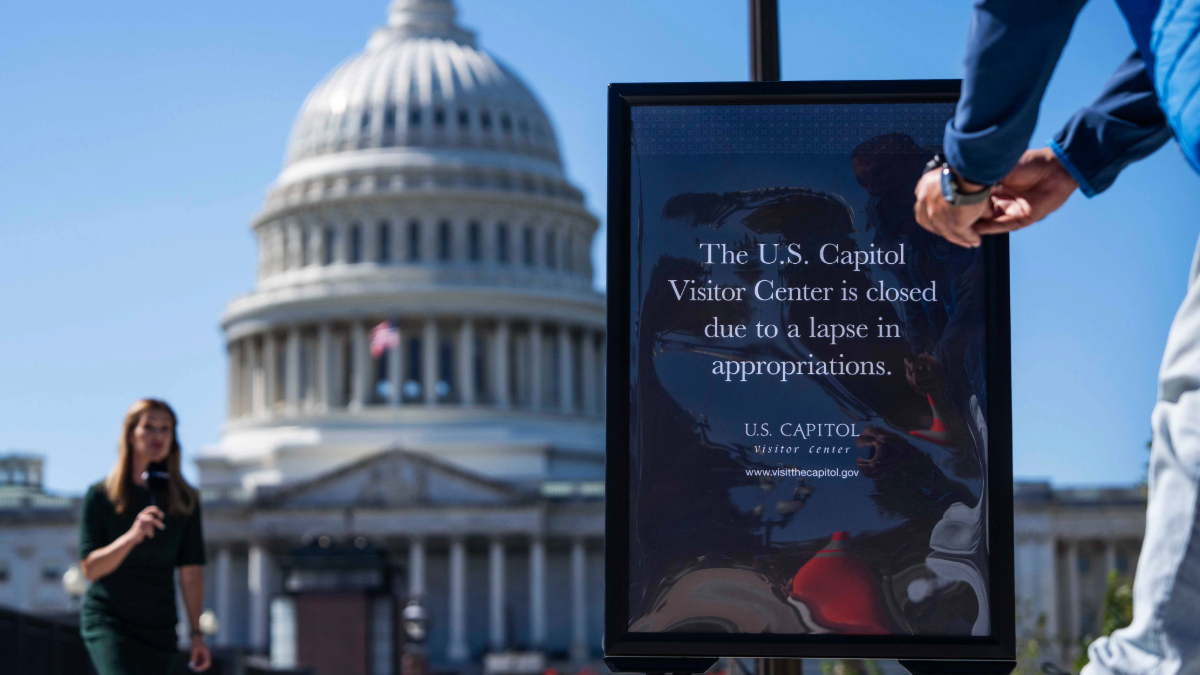
America’s government shutdown debate exposes a fragile democracy where partisan theatre overshadows governance, stability, and global credibility.