
WTM Visual Intelligence · Conceptual imagery
Trace the relationships between power, territory, institutions and the choices that shape global consequences.

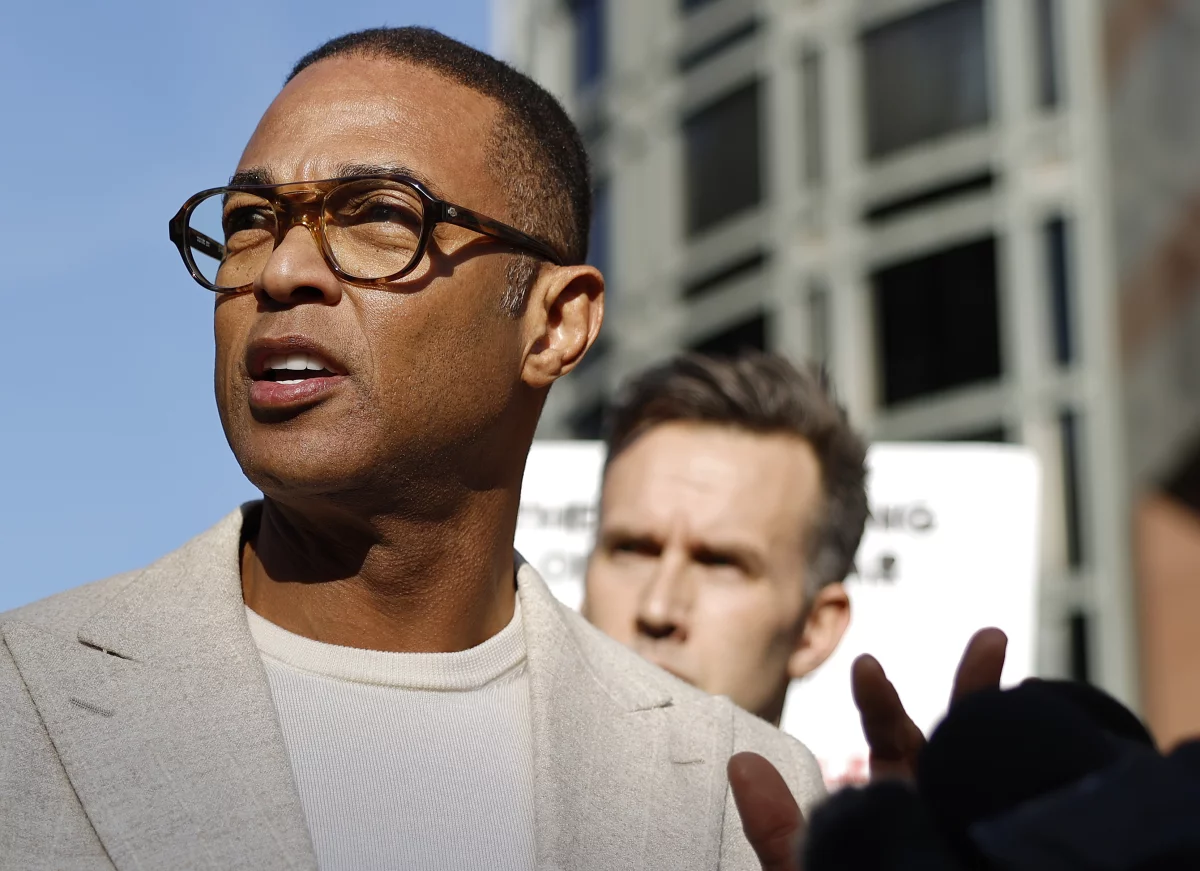
The arrest of a high-profile journalist is not an isolated legal event. It is a systems signal. This editorial examines the growing global pattern of prosecuting journalists under the guise of law enforcement, the erosion of First Amendment protections in practice, and why democratic societies fail when witnessing becomes a punishable act.

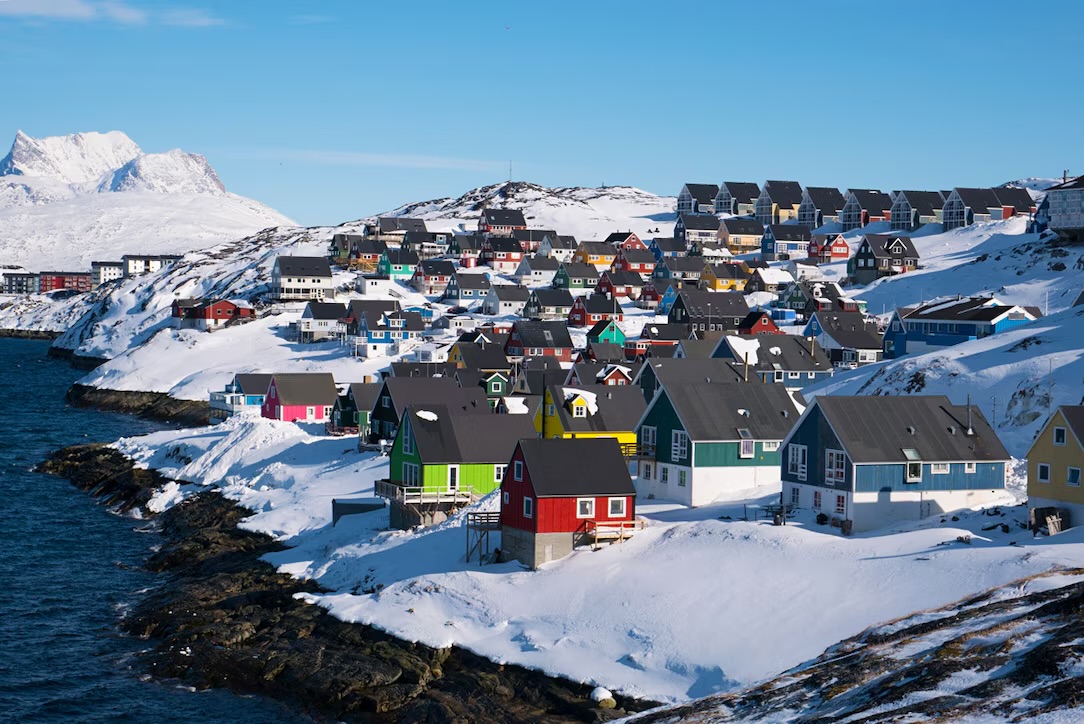
As Arctic ice retreats, Greenland has shifted from geographic periphery to strategic center. Climate change is exposing new shipping routes, military corridors, and critical mineral reserves—placing Greenland at the intersection of great-power competition, environmental collapse, and unresolved questions of sovereignty and self-determination.

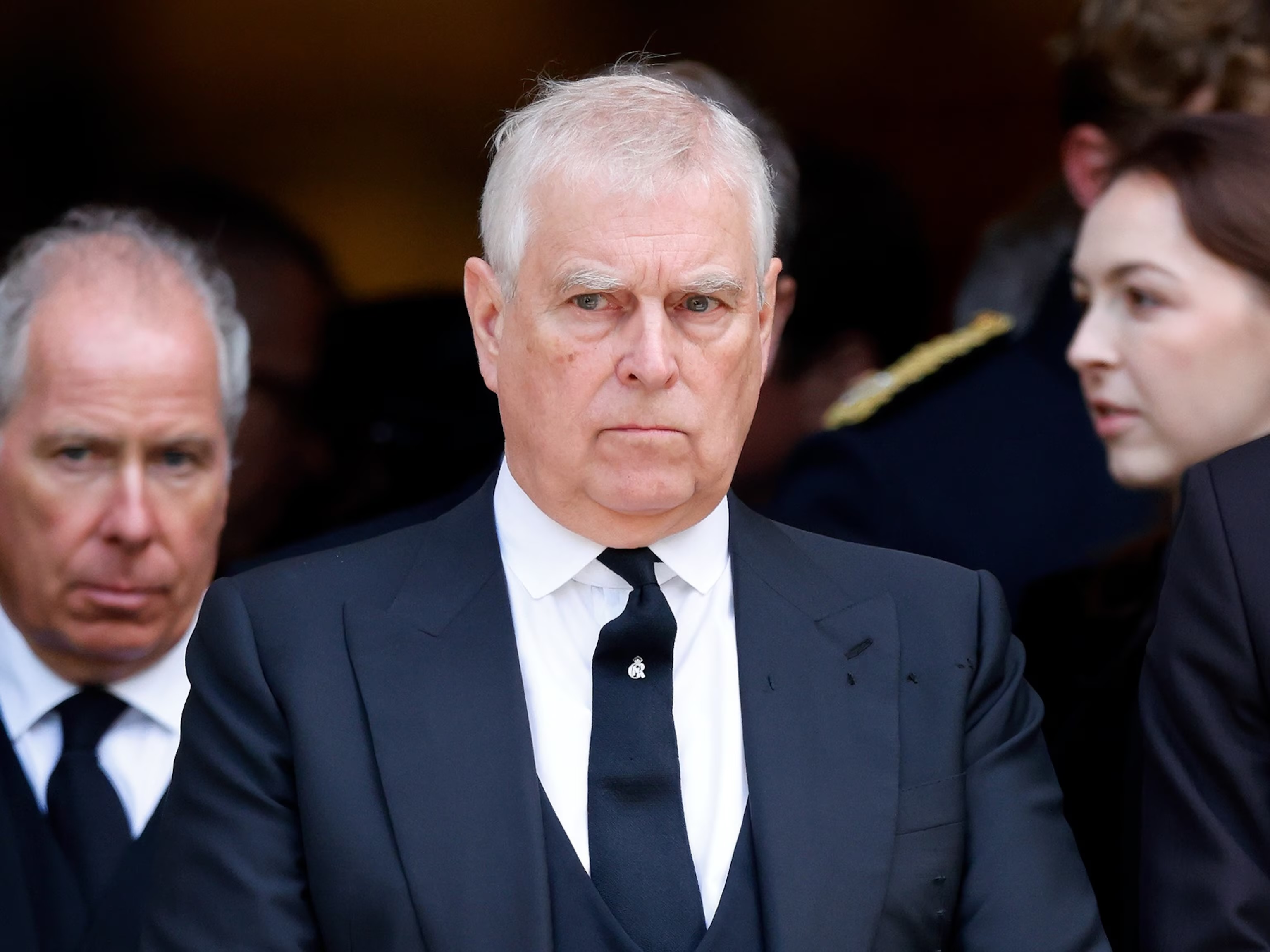
Buckingham Palace’s decision to strip a royal of titles is not a scandal — it is a system recalibrating itself in public view. What this moment teaches us about ethics, identity, and institutional evolution.

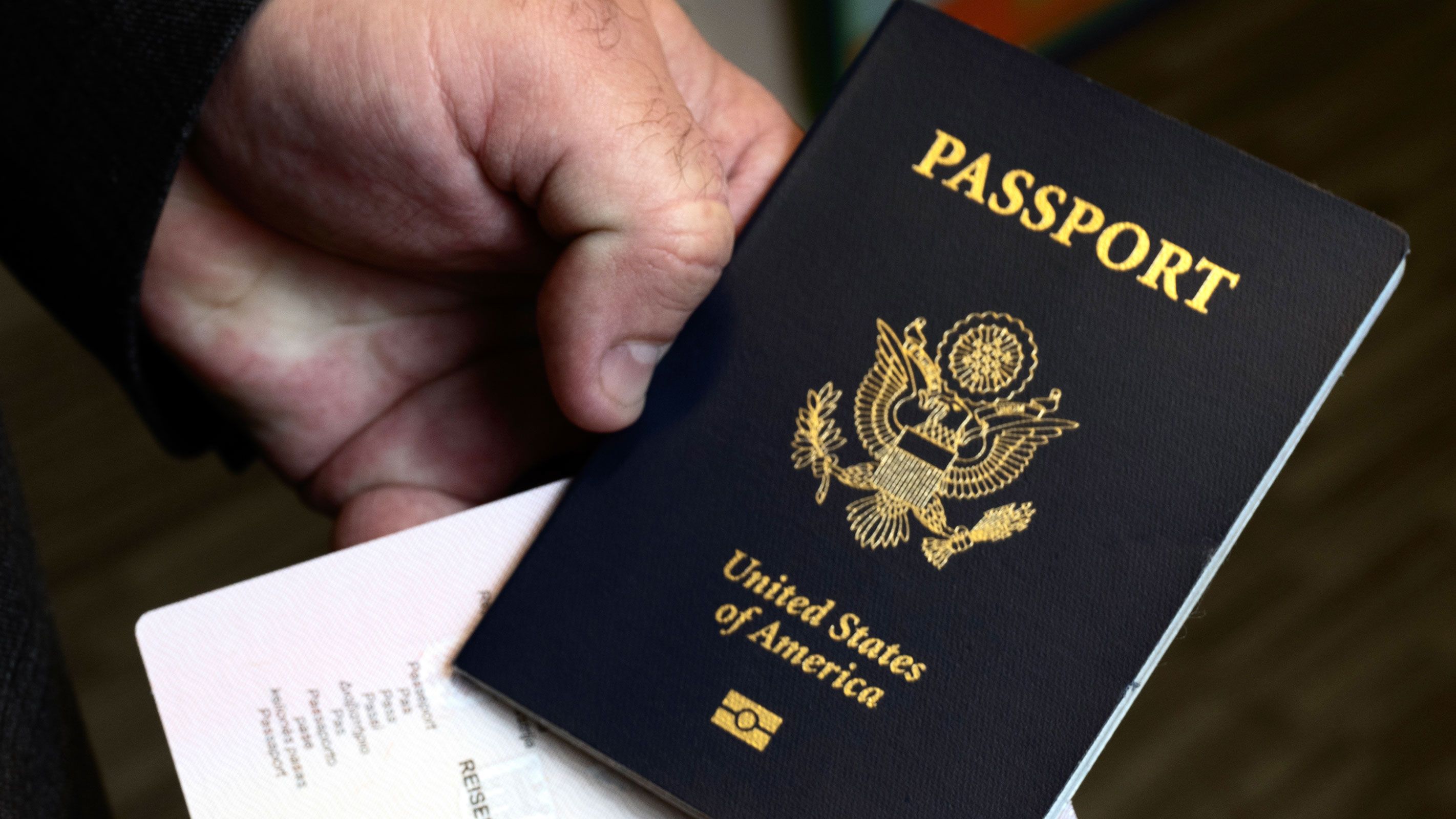
The U.S. Supreme Court’s reinstatement of restrictions on gender-inclusive passports has reignited a quiet crisis of belonging. It is not simply about travel. It is about who decides the architecture of identity—and whether selfhood must pass through permission.

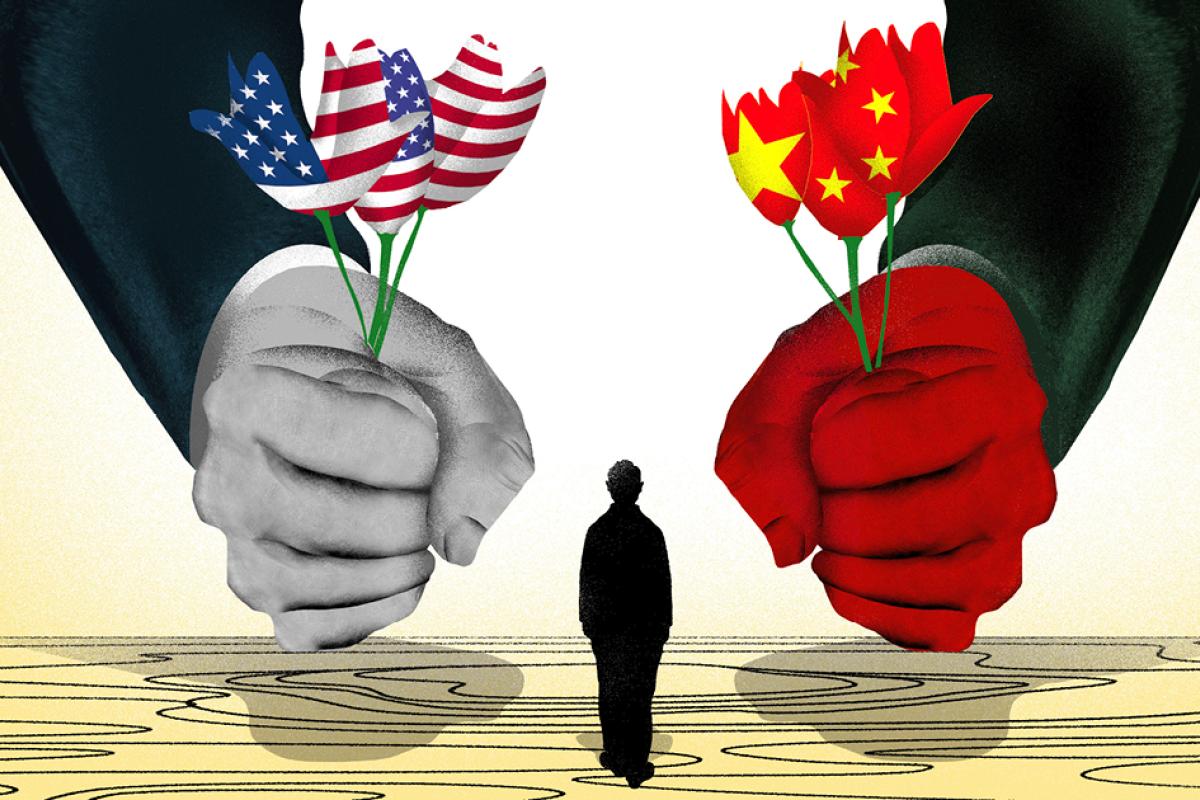
In a multipolar world, power and influence are no longer separate. Their interdependence defines global politics—reshaping alliances, narratives, and the logic of survival.

AI is becoming the ultimate political weapon — not through violence, but through persuasion. As synthetic media blurs truth, democracy faces a new cold war: one fought through algorithms, attention, and belief.

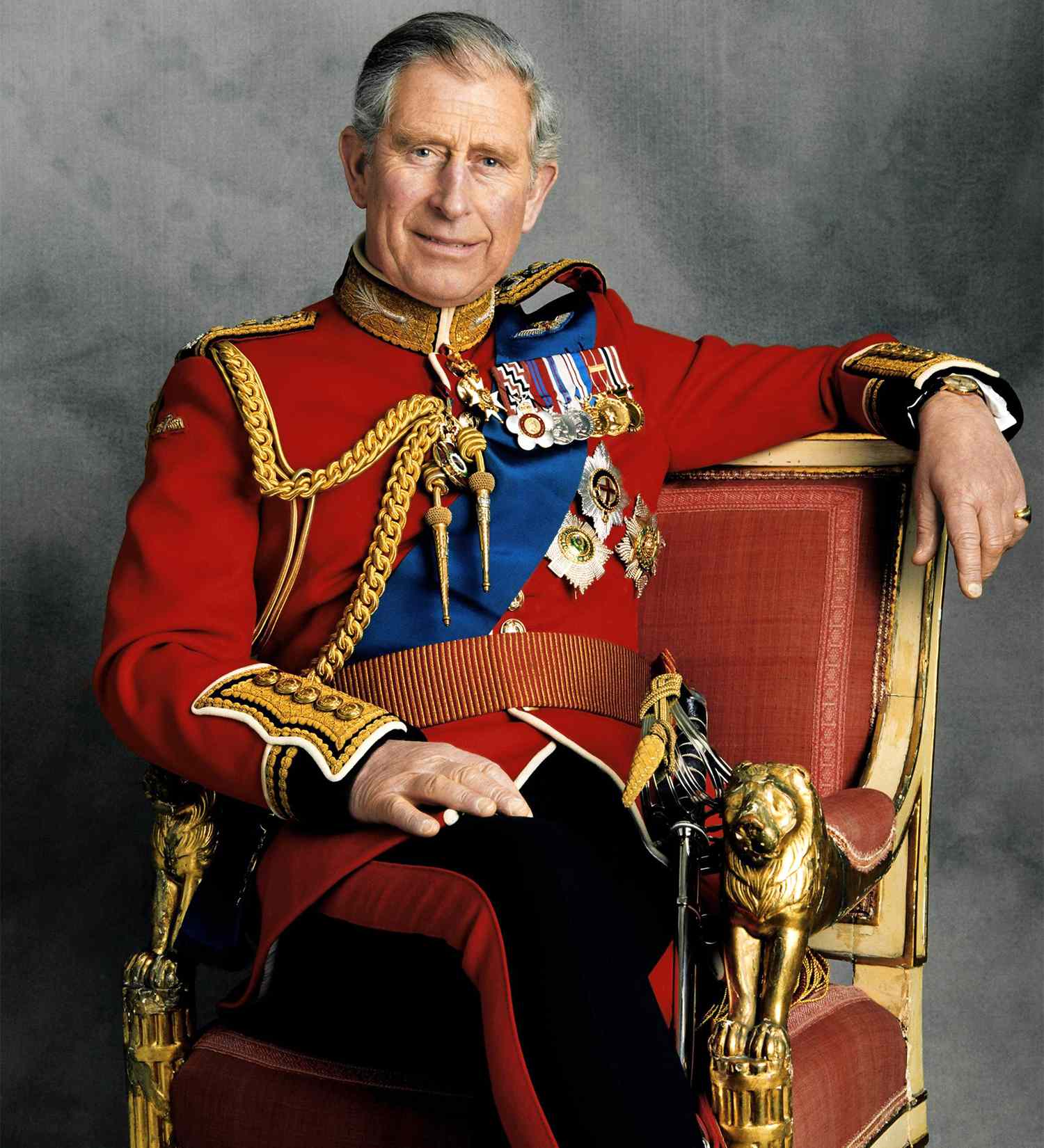
The modern monarchy is not dying — it is rebranding. From Britain to the Middle East, royal families are no longer the relics of divine right but the architects of soft power, balancing scandal and strategy in equal measure. Behind every gilded portrait lies a quiet rebellion against irrelevance.

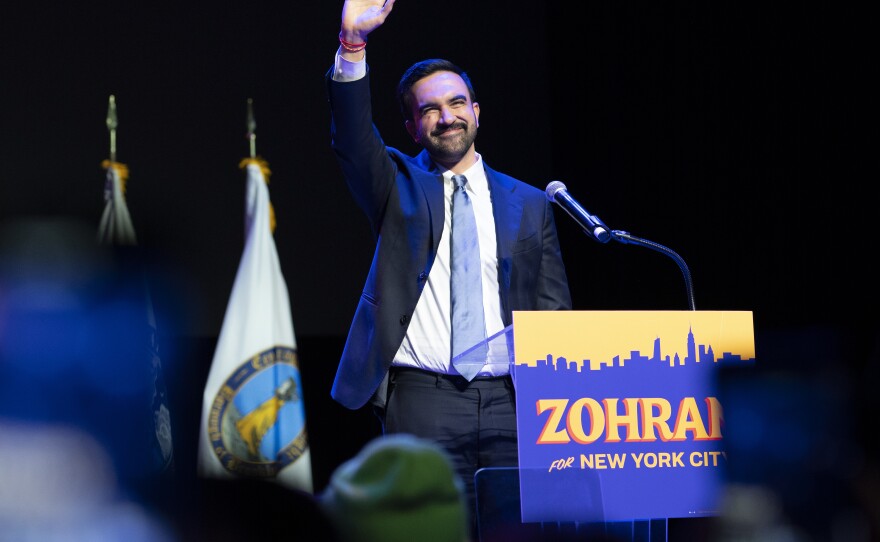
Zohran Mamdani’s election as New York City’s new mayor is being called a generational shift. But his victory is more than political—it is philosophical. In a time when charisma has replaced competence and outrage has replaced order, Mamdani represents the quiet return of leadership rooted in empathy, equity, and systemic design.

When forty-three laboratory monkeys escaped from a U.S. biomedical research facility this year, headlines treated it as absurd news. It wasn’t. It was a parable — of a civilisation that still mistakes cruelty for curiosity and control for knowledge.