WTM Visual Intelligence · Conceptual imagery
Trace the relationships between power, territory, institutions and the choices that shape global consequences.

Energy has moved beyond the realm of commerce into the architecture of power, where pricing, routing, and financial structuring operate as instruments of geopolitical influence rather than neutral market functions. Iran’s sustained oil exports to China under Western sanctions, alongside escalating tensions with the United States, reveal a system no longer defined by open conflict but by strategic manoeuvring within markets themselves. Transactions are rerouted, currencies are bypassed, and enforcement mechanisms are quietly tested, creating a form of undeclared confrontation that unfolds without formal escalation. What emerges is not instability, but recalibration—a restructuring of global power that rewards those who can operate within and around constraints. This editorial reframes energy not as a commodity, but as leverage: a system where influence is exercised through flows, finance replaces force, and the battlefield has dissolved into the infrastructure of the global economy.


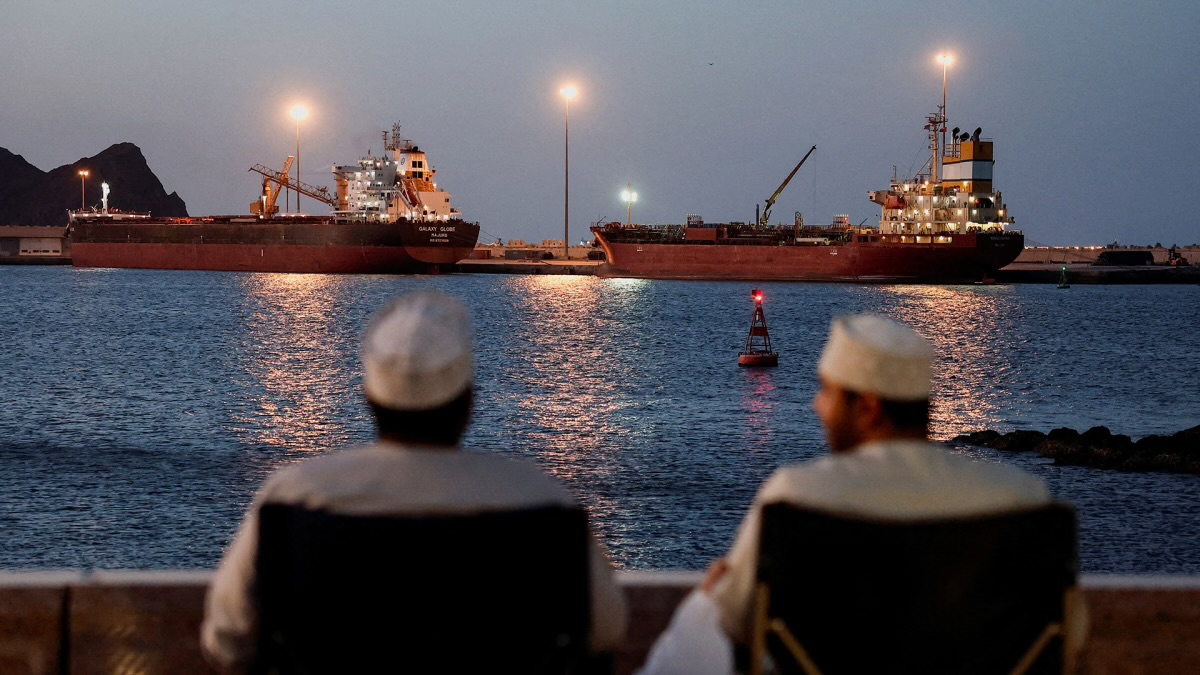
The global energy system rests on a critical but underexamined vulnerability: nearly one-fifth of the world’s petroleum supply moves through a single, narrow maritime corridor—the Strait of Hormuz. This concentration is not simply a logistical detail; it is a structural dependency that exposes the fragility beneath the appearance of stability. As Iran sustains oil flows to China despite sanctions, and geopolitical tensions continue to recalibrate alliances and enforcement limits, the illusion of secure, uninterrupted energy supply becomes increasingly untenable. What appears to be a resilient global system is, in reality, a finely balanced network shaped by chokepoints, political signalling, and adaptive trade mechanisms. This editorial reframes the Strait of Hormuz not as a distant geographic feature, but as a central pressure valve of the global economy—where efficiency has been prioritised over resilience, and where even minor disruptions can cascade into systemic consequences.

Roughly one-fifth of the world’s petroleum liquids pass through a single maritime corridor—the Strait of Hormuz—making it one of the most critical and vulnerable chokepoints in the global economy. As Iran continues to export oil to China under sanctions and geopolitical tensions intensify, the assumption of stable energy flows is increasingly exposed as a structural illusion. This editorial examines how concentrated infrastructure, political signalling, and market dependency combine to create a system that is efficient, but deeply fragile.

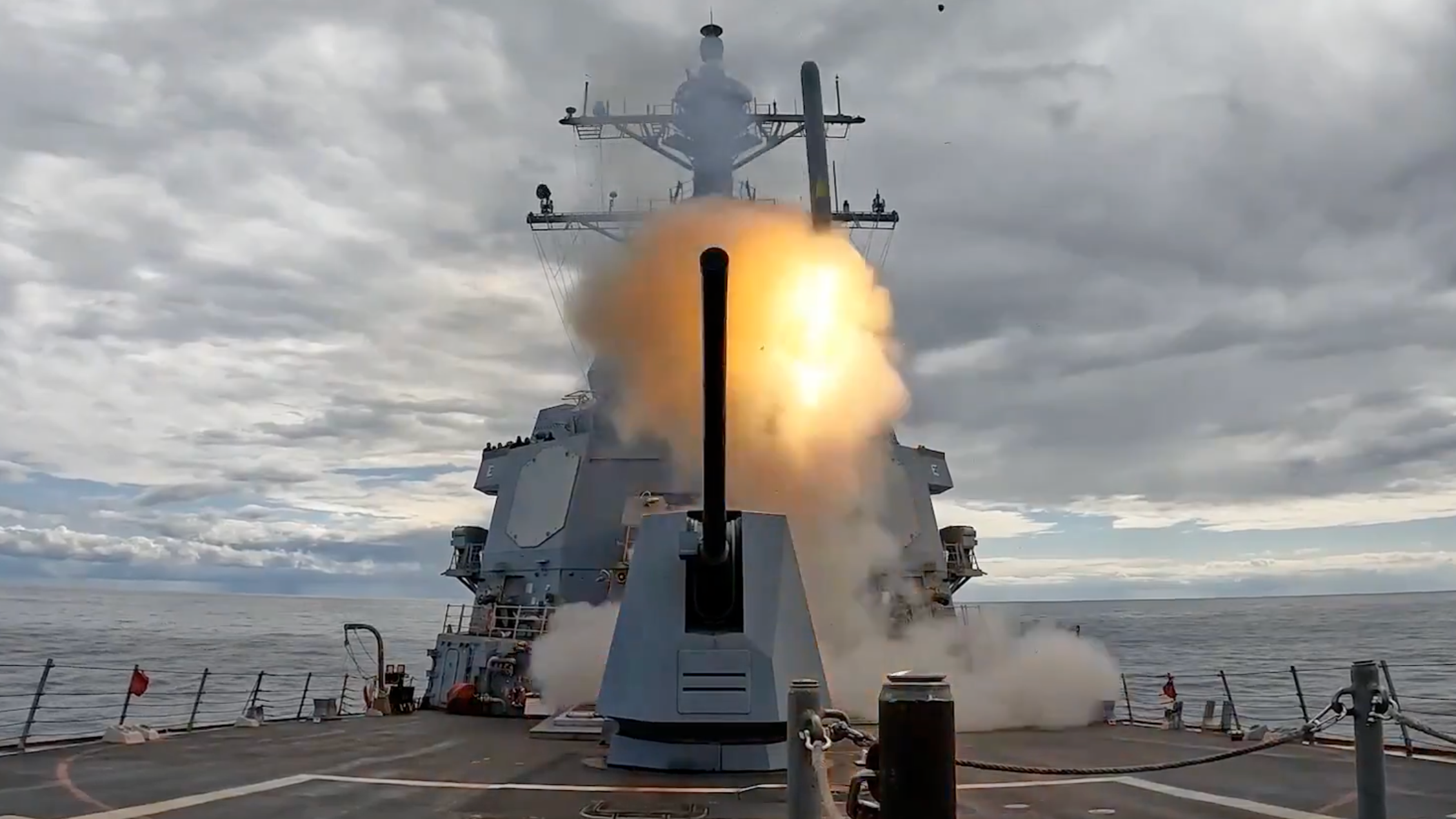
Targeted killings of national leaders are often framed as decisive solutions to security threats. History and deterrence theory suggest the opposite. This editorial examines the strategic logic behind leadership “decapitation” strikes, why they rarely dismantle nuclear programmes, how they alter escalation incentives, and what this means for global stability in an age of high-precision warfare and low-trust diplomacy.

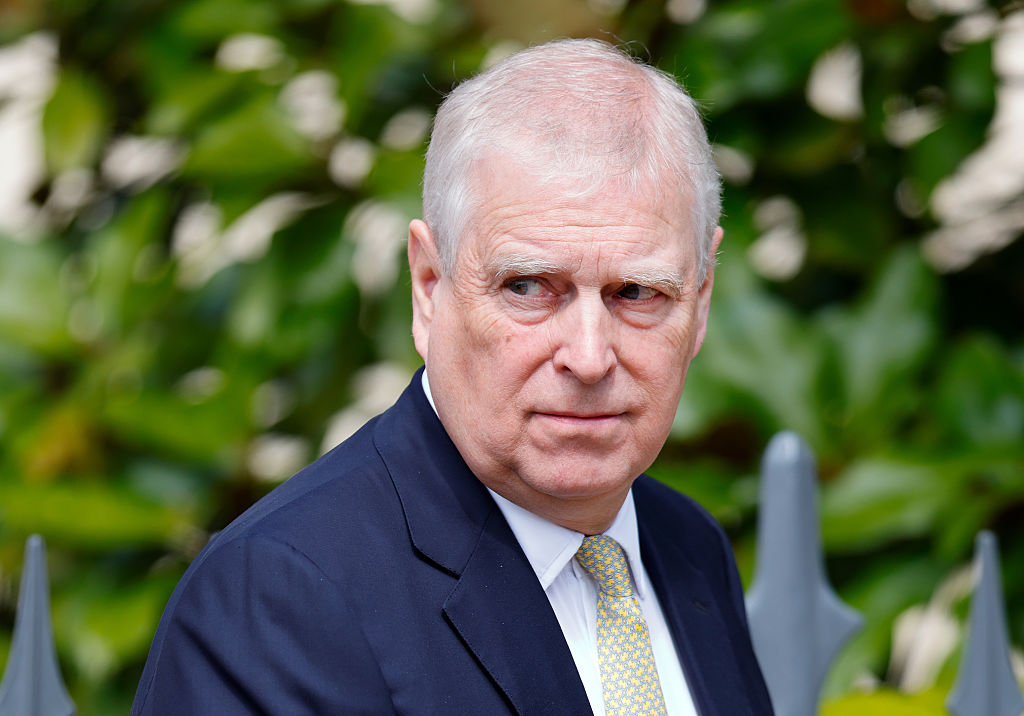
The Prince Andrew controversy is often framed as a personal scandal. That framing misses the structural issue. This editorial examines how hereditary institutions manage reputational crises, the tension between tradition and transparency, and why modern legitimacy depends less on image control and more on governance discipline.

Targeted killings of national leaders are often framed as decisive solutions to security threats. History and deterrence theory suggest the opposite. This editorial examines the strategic logic behind leadership “decapitation” strikes, why they rarely dismantle nuclear programmes, how they alter escalation incentives, and what this means for global stability in an age of high-precision warfare and low-trust diplomacy.

Across alliances, borders, and institutions, power is increasingly exercised without trust. This article examines how legitimacy—not military strength or economic size—has become the decisive variable in global stability, and why its erosion now threatens international order.

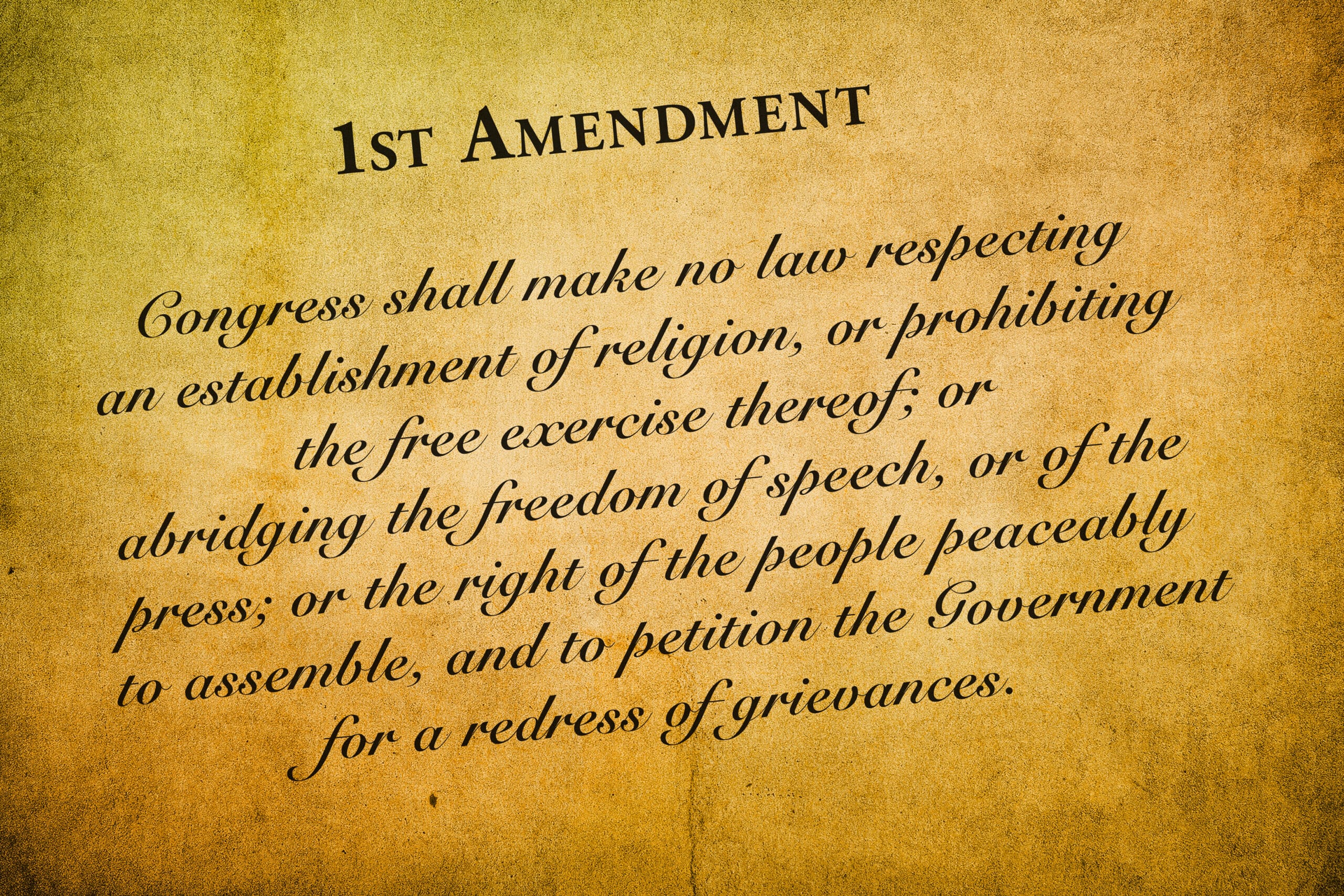
The United States is now in an stress-test phase. Institutions are probing where the edges are: who qualifies as a journalist, what constitutes reporting versus participation, and when observation becomes involvement. These questions are not new, but the stakes are higher than they have been in decades. This article examines how the First Amendment becomes vulnerable not through overt repeal, but through procedural drift—and why this moment matters for the future of democratic accountability.

On February 8, 2026, Bad Bunny — Benito Antonio Martínez Ocasio — stood at Levi’s Stadium in Santa Clara, California and delivered what will likely be remembered as one of the most consequential Super Bowl halftime performances of the 21st century. More than a show, it was a statement of identity, belonging, and cultural force — a moment where music intersected with global discourse and collective self-recognition