WTM Visual Intelligence · Conceptual imagery
Follow enterprise, markets, ownership and leadership through the systems that create value and distribute influence.

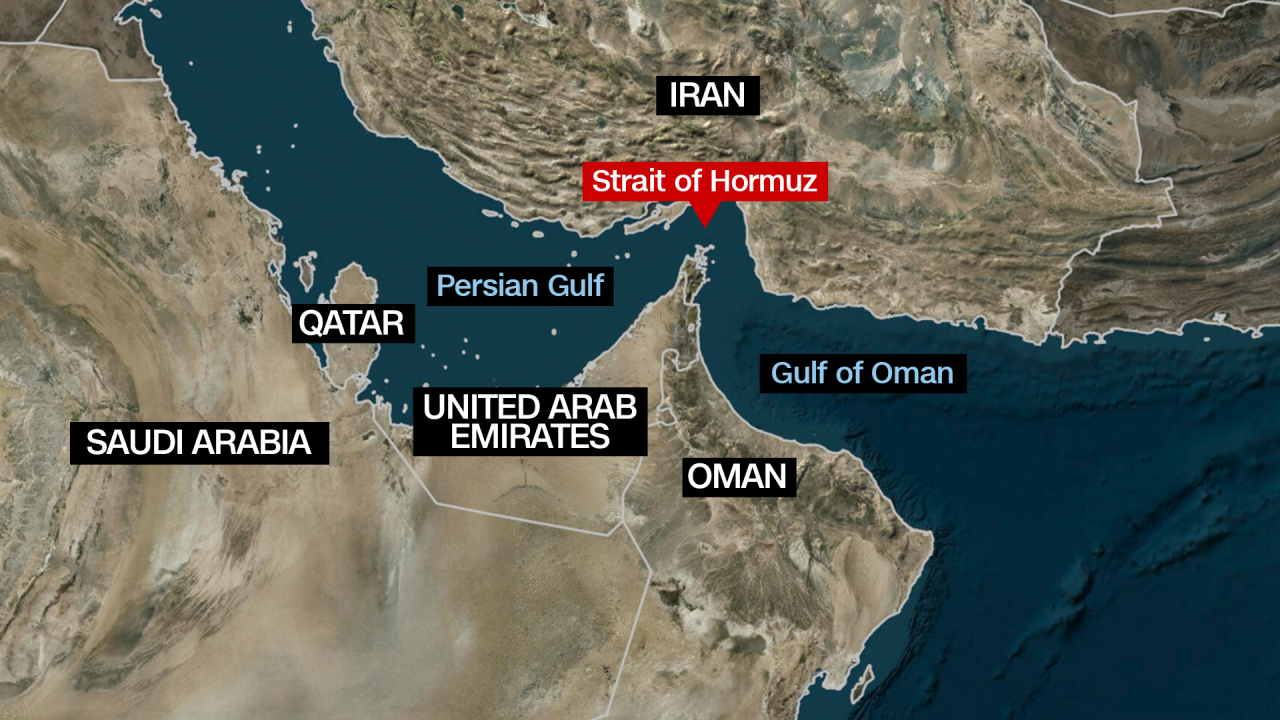
The architecture of the global energy system is built on a quiet but dangerous concentration: nearly one-fifth of the world’s petroleum supply moves through a single, narrow maritime corridor—the Strait of Hormuz. This is not merely a logistical convenience; it is a structural dependency that exposes how fragile the illusion of energy stability truly is. As Iran continues to channel oil to China under the constraints of sanctions, and as geopolitical tensions subtly reshape alliances, enforcement mechanisms, and market expectations, the assumption of uninterrupted energy flow begins to fracture. What appears to be a resilient, globalised system is, in fact, a tightly wound network of chokepoints, adaptive trade routes, and political signalling—each capable of amplifying disruption. This editorial reframes the Strait of Hormuz not as geography, but as infrastructure risk: a single corridor where efficiency has outpaced resilience, and where even minor instability can cascade into global economic shock.


War is widely understood as destruction, but less examined as redistribution. In energy markets, conflict does not eliminate value—it shifts it. Russia’s continued oil revenues amid sanctions and geopolitical tension reveal a deeper structural truth: instability is often economically profitable for specific actors. This editorial examines how commodity pricing, sanctions leakage, and global demand create financial winners in times of conflict, and why the system continues to reward disruption more than stability.

Energy has evolved from a traded commodity into a strategic instrument of influence, where pricing, routing, and financial structuring function as tools of power. Iran’s continued oil exports to China under Western sanctions, alongside escalating tensions with the United States, reveal a new form of undeclared conflict that operates through markets rather than battlefields. This editorial examines how energy flows are being weaponised, how financial systems are being bypassed, and how global power is being restructured without formal confrontation.

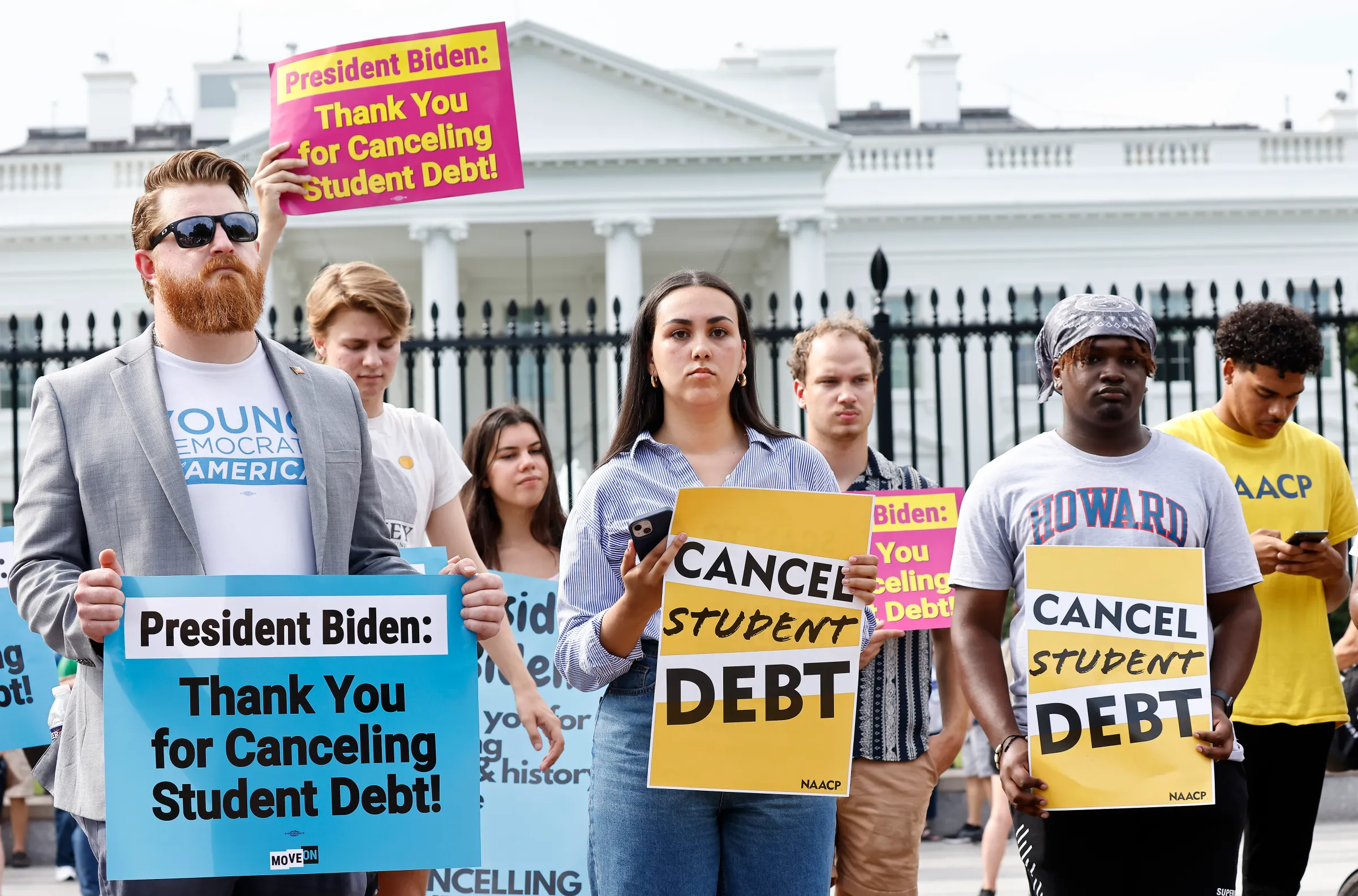
Court victories clearing the way for automatic federal student loan discharges are being framed as borrower relief stories. They are more consequential than that. This editorial examines what these rulings reveal about administrative capacity, economic stimulus mechanics, credit systems, and the long-term credibility of federal governance.

For the past two decades, business has lived under a spell — the belief that technology is the ultimate disruptor. We’ve worshipped at the altar of innovation, measuring success by how quickly we could automate, digitise, and optimise. Tech has indeed changed the way we live, work, and connect. But here’s the inconvenient truth: In the next decade, technology won’t be the competitive advantage. Trust will.

The decline in civility, comfort, and behaviour in modern air travel is not a cultural mystery. It is the direct outcome of economic and regulatory decisions made over decades. Airline deregulation reshaped pricing, capacity, and incentives—and in doing so, fundamentally altered how people behave in shared spaces.

The global economy is changing fast. Courtroom ruling that reduced his killing to “just murder” may comfort statute books. But markets are not ruled by statute—they are ruled by sentiment. And sentiment is fragile.

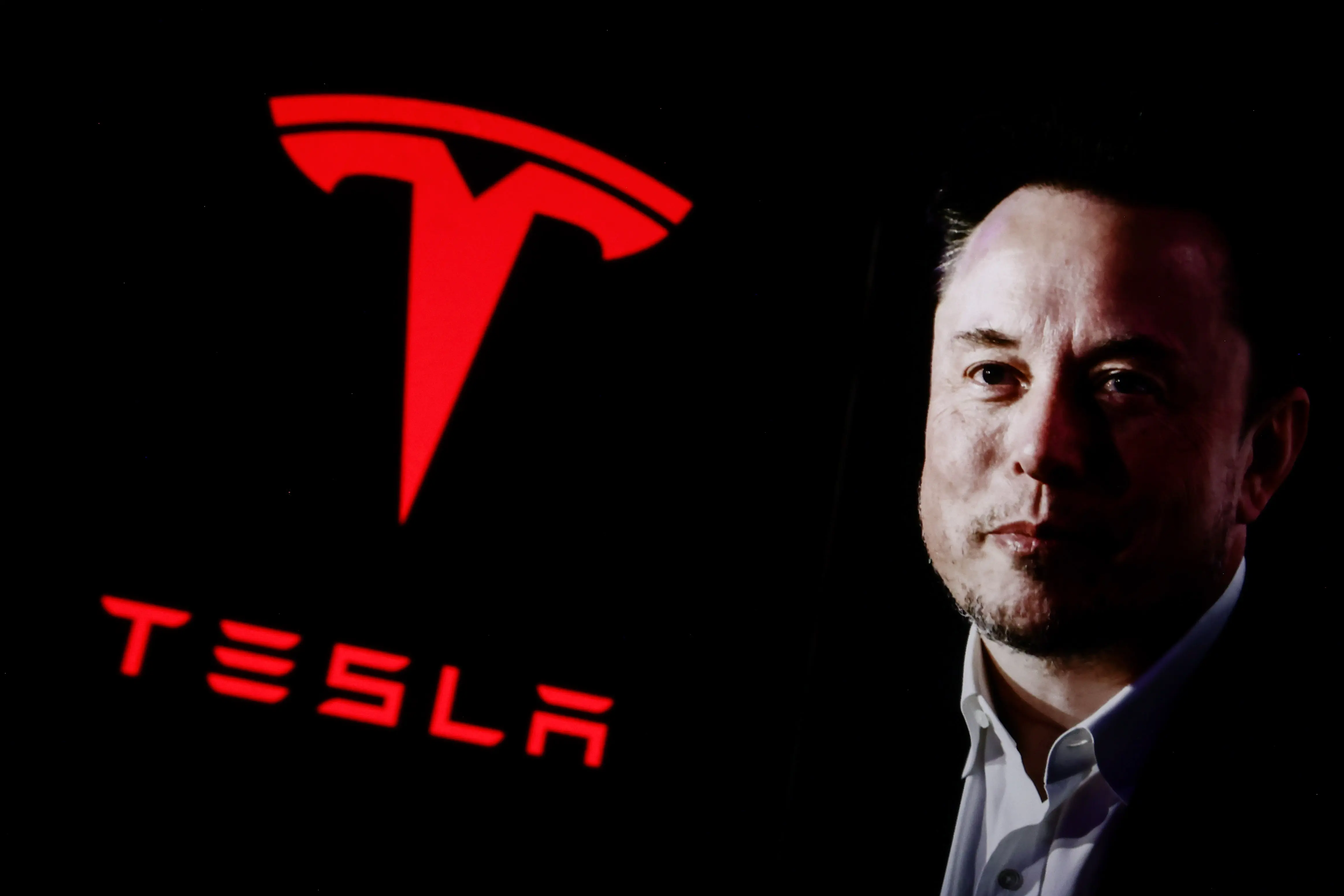
Elon Musk’s $56 billion pay package, restored by Tesla shareholders after court challenges, made global headlines. But beneath the spectacle lies a deeper design flaw: the hero economy. In worshipping visionaries, capitalism has built cathedrals without conscience.