WTM Visual Intelligence · Conceptual imagery
Examine artificial intelligence through the decisions, institutions and human consequences it creates.

Artificial intelligence is often presented as a triumph of engineering and computational scale, yet its true foundation is neither autonomous nor purely technical. It is built continuously, incrementally, and globally through human interaction that is largely unrecognised and uncompensated. Every click, correction, upload, and behavioural signal contributes to the training and refinement of AI systems, forming a vast, distributed layer of labour embedded within everyday digital life. This labour is not formally acknowledged, yet it generates immense value for platforms that aggregate, structure, and monetise it. The result is a quiet inversion of traditional economic models: users are no longer merely consumers, but active contributors to production—without ownership, compensation, or control. This editorial examines how data functions as labour, how platforms extract value from participation, and why the economic architecture of artificial intelligence raises fundamental questions about fairness, ownership, and the future of human agency in digital systems.


Artificial intelligence is not a speculative concept; it is a transformative force already reshaping industries, infrastructure, and human capability. Yet the financial behaviour surrounding it reveals a familiar and recurring dislocation between technological reality and market expectation. The rapid valuation ascent of companies such as NVIDIA signals not only confidence in AI’s future, but a compression of that future into present-day pricing. This compression introduces structural tension, where capital markets begin to reward anticipated outcomes long before underlying systems, adoption cycles, and revenue models have fully matured. As investment concentrates and narratives accelerate, the question is no longer whether AI will change the world, but whether markets have mispriced the timeline of that change. This editorial examines the widening gap between innovation and valuation, arguing that the risk is not technological failure, but financial overextension built on premature certainty.

The modern information system is no longer organised around accuracy as its primary objective; instead, it is structured around speed, visibility, and engagement. The concept of “breaking news” has evolved from a journalistic alert into an economic mechanism designed to capture attention at scale. This editorial examines how compressed news cycles, platform incentives, and algorithmic amplification have created an environment in which reaction consistently outpaces verification, ultimately reshaping how societies perceive reality and make decisions.

AI is reshaping medicine from diagnostic tool to empathic collaborator — a transformation that redefines care, ethics, and the essence of healing itself.

Artificial Intelligence is no longer a tool — it is an ecosystem of meaning. As machines learn empathy, humanity must rediscover its own. The next evolution of civilisation will depend not on who builds the most advanced AI, but on who teaches it to feel, discern, and honour the sacred architecture of life. “Intelligence without empathy becomes tyranny. Technology without ethics becomes theology.” — Kelly Dowd, The Power of HANDS (2025)

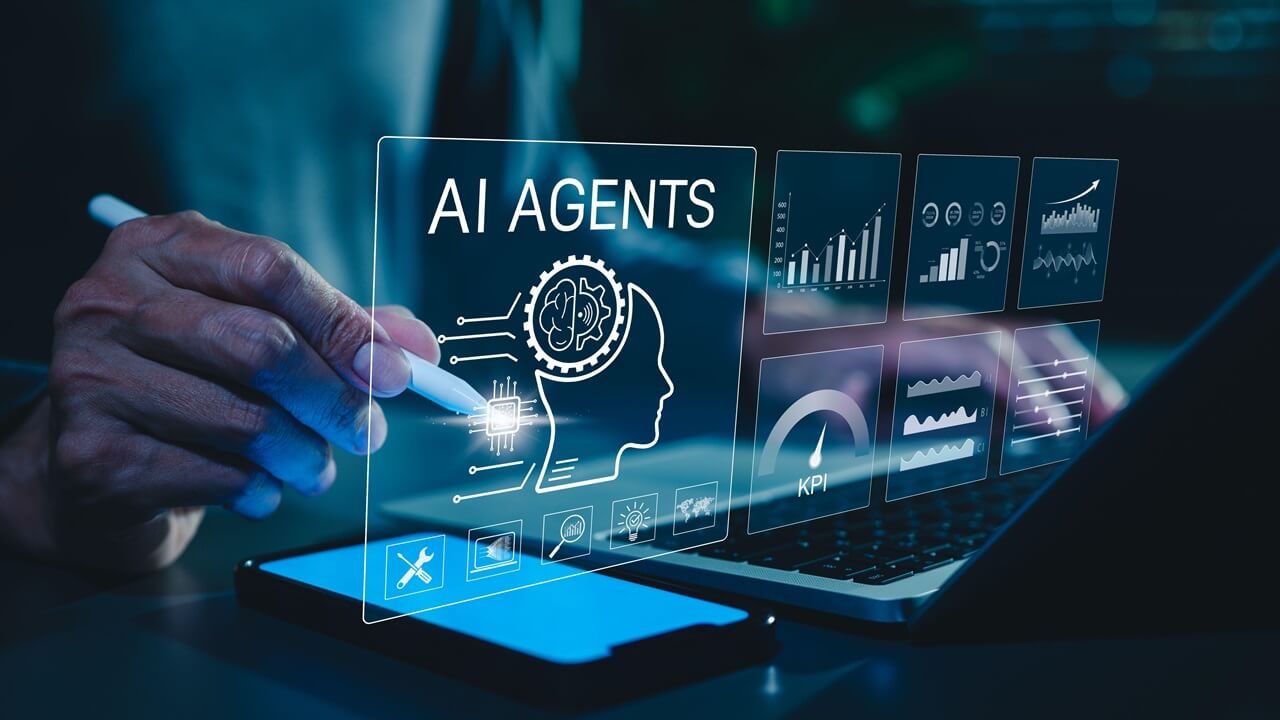
Agentic AI marks a new epoch of technology — not systems that answer, but systems that act. The emergence of autonomous intention will redefine work, ethics, governance, and even the architecture of thought itself.

AI is becoming the ultimate political weapon — not through violence, but through persuasion. As synthetic media blurs truth, democracy faces a new cold war: one fought through algorithms, attention, and belief.