WTM Visual Intelligence · Conceptual imagery
Meet the people whose ideas, choices and collaboration illuminate the forces changing society.

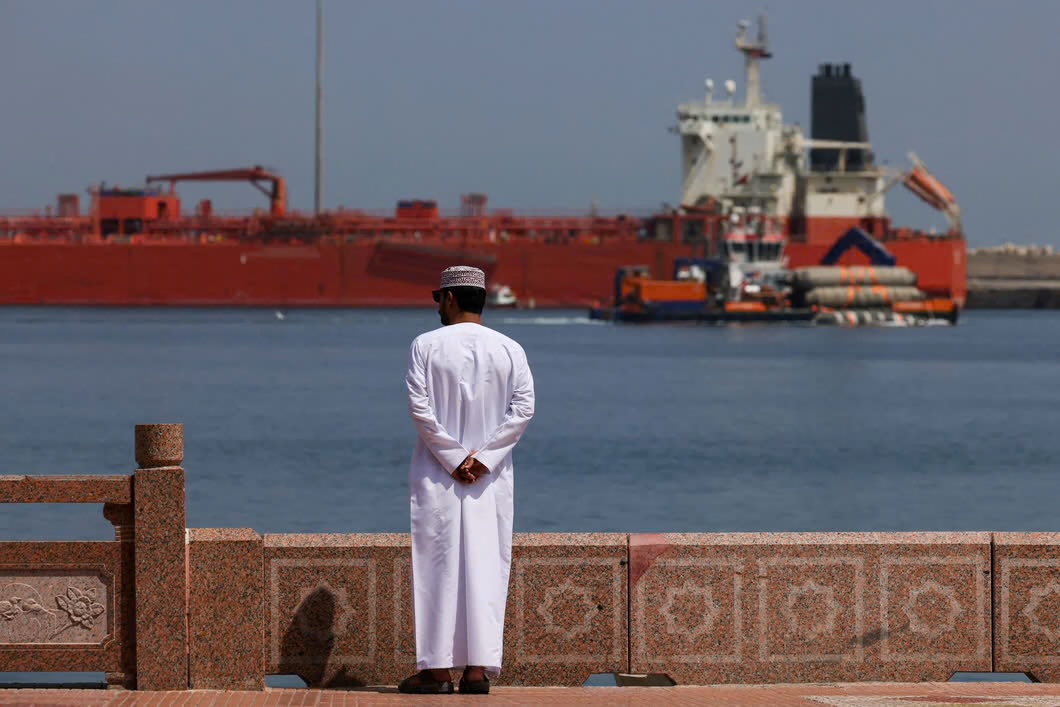
Energy is no longer merely traded; it is orchestrated as leverage. Pricing, routing, and financial structuring have evolved into instruments of influence that quietly reshape global power without formal declarations of conflict. Iran’s continued oil exports to China under Western sanctions, alongside rising tensions with the United States, reveal a new form of confrontation—one that operates through markets, contracts, and strategic ambiguity rather than visible warfare. Yet while states recalibrate power through these mechanisms, the consequences do not remain abstract. They materialise in inflation, employment instability, and shifting cost structures that directly affect people. This editorial reframes energy not as a commodity, but as a control system—one where geopolitical strategy is executed through economic channels, and where human lives absorb the immediate and lasting impact of decisions made far beyond their reach.

The global energy system is often analysed through the lens of markets, policy, and geopolitics, yet its most immediate consequences are human. Nearly one-fifth of the world’s petroleum supply moves through the narrow Strait of Hormuz, creating a structural dependency that quietly shapes the cost of living, employment stability, and daily survival across continents. As Iran continues to export oil to China under sanctions, and geopolitical tensions recalibrate enforcement, alliances, and risk perception, the illusion of stable energy flow begins to fracture—not in abstract charts, but in real lives. Rising fuel costs, disrupted supply chains, and economic volatility do not arrive evenly; they cascade first into households, communities, and vulnerable populations. This editorial reframes the Strait of Hormuz not as a distant geopolitical corridor, but as a human pressure point—where systemic fragility translates into lived consequence, and where global decisions quietly determine how millions experience stability, scarcity, and survival.


Public fascination with Epstein-related investigations, depositions, and political figures has become an ecosystem of perpetual outrage. This editorial examines how scandal monetisation distorts accountability, how media amplification reshapes due process, and why institutional transparency—not viral insinuation—is the only sustainable path to justice.

Nigeria’s industrial resurgence is often framed as the vision of a single billionaire industrialist. That narrative is incomplete. This editorial examines the structural constraints shaping Nigeria’s manufacturing future — power reliability, port efficiency, transport corridors, foreign exchange stability, and regulatory credibility — and argues that industrialisation will succeed or fail not on ambition, but on systems coherence.

At the intersection of brain chemistry and human longing, intimacy between men reveals a landscape of vulnerability, reward, and identity. This article delves into how neural circuits, hormonal dynamics, and psychological frameworks undergird male-male intimacy—why it matters, why it unsettles, and why it offers one of the deepest paths to self-knowledge and human connection. By combining neuroscience, endocrinology, and relational psychology, this piece argues that male intimacy is not a peripheral luxury but a core human imperative: a frontier where biology and spirit collide.

Racial colour was engineered, formalised, and institutionalised over centuries, and it continues to shape how people of African descent understand themselves and one another across continents, often to their own detriment.

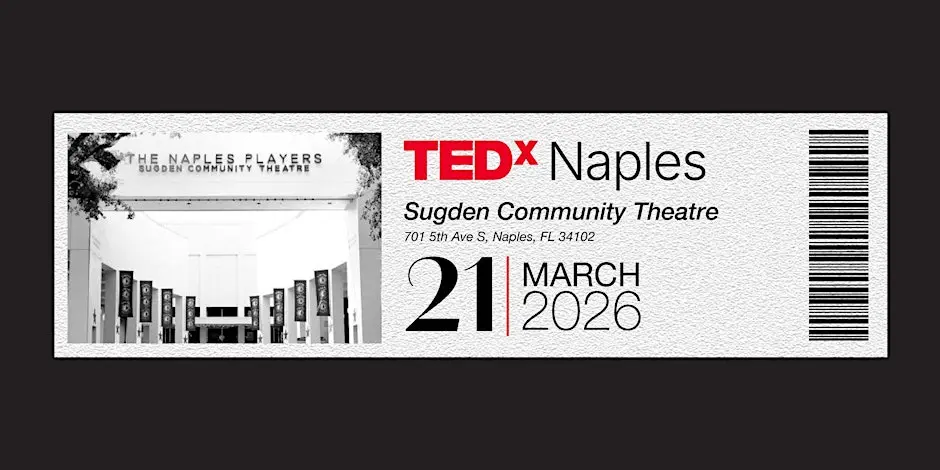
On March 21, Naples, Florida will host TEDx Naples—one of thousands of independently organised TEDx events held globally each year. On the surface, that might not sound remarkable. TEDx events are common. Many are forgettable. Some are performative. A few are genuinely consequential. This one has the potential to be the latter. At a time when public trust in institutions is low, civic dialogue is fragmented, and leadership conversations are increasingly reduced to slogans, TEDx Naples is positioning itself not as entertainment, but as a forum for adult thinking—about responsibility, justice, resilience, and what it means to lead in a world shaped by consequence rather than applause. This editorial explains why this particular TEDx event matters, what differentiates it from the broader TEDx ecosystem, and why its timing—and location—are not incidental.

What looks like cultural chaos—celebrity outrage cycles, travel exhaustion, and climate anxiety—is actually one interconnected signal. Entertainment, mobility, and climate stress now operate as a single feedback loop, revealing how systemic overload shows up first in culture before it appears in policy or economics.