The Energy Systems Breaks - People Pay First
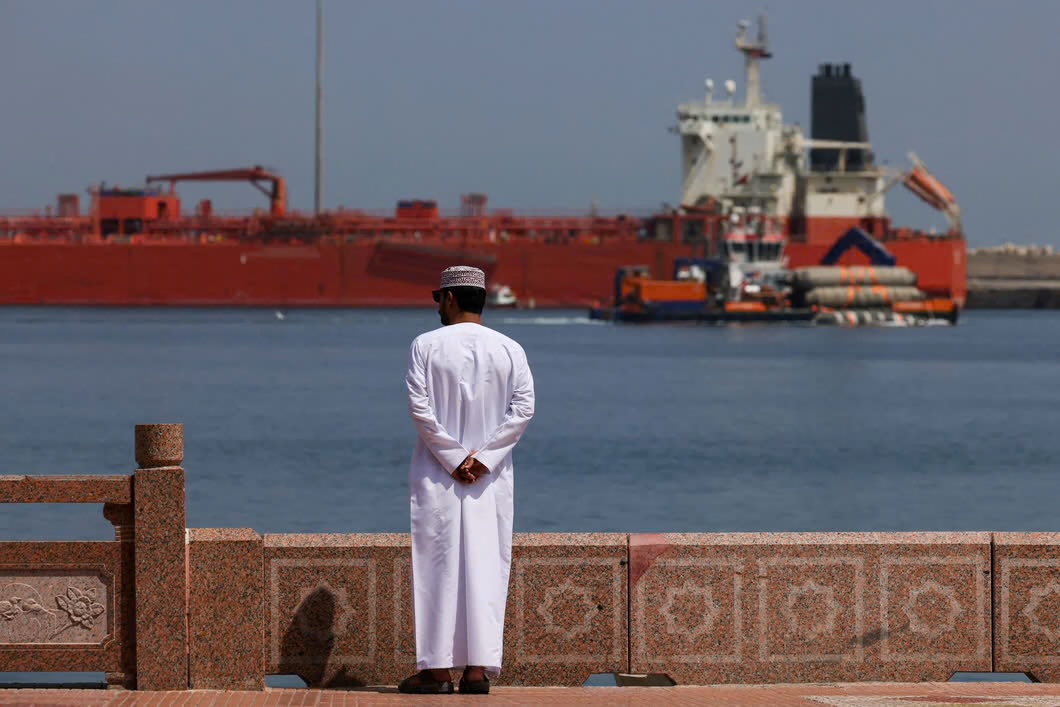
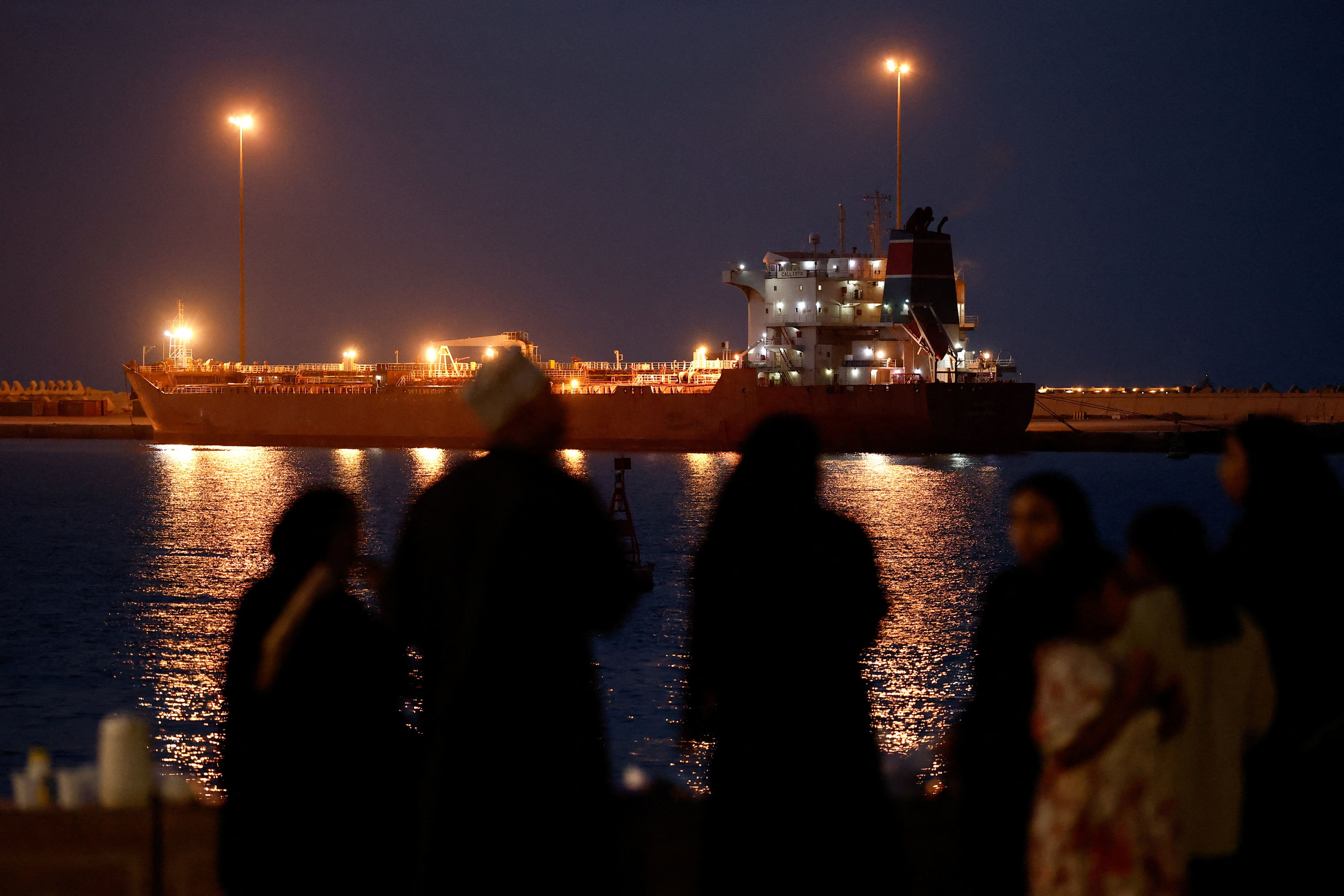
The global energy system is often analysed through the lens of markets, policy, and geopolitics, yet its most immediate consequences are human. Nearly one-fifth of the world’s petroleum supply moves through the narrow Strait of Hormuz, creating a structural dependency that quietly shapes the cost of living, employment stability, and daily survival across continents. As Iran continues to export oil to China under sanctions, and geopolitical tensions recalibrate enforcement, alliances, and risk perception, the illusion of stable energy flow begins to fracture—not in abstract charts, but in real lives. Rising fuel costs, disrupted supply chains, and economic volatility do not arrive evenly; they cascade first into households, communities, and vulnerable populations. This editorial reframes the Strait of Hormuz not as a distant geopolitical corridor, but as a human pressure point—where systemic fragility translates into lived consequence, and where global decisions quietly determine how millions experience stability, scarcity, and survival.