Conceptual mountain panorama with mist and dramatic light.

WTM Visual Intelligence · Conceptual imagery

WTM EDITORIAL INTELLIGENCE

Independent perspectives on people, culture, power and the systems shaping society. Explore the evidence, ideas and consequences behind the headlines.

THE WTM ARCHIVE

Find the intelligence you need.

Explore past editorials by subject or question. Return to an idea. Put it to work.

Browse the latest published editorials below.

Need a starting point? Explore three curated reading pathways
UX Isn’t Dying: Why Designers Are Becoming Systems Architects

UX Isn’t Dying: Why Designers Are Becoming Systems Architects

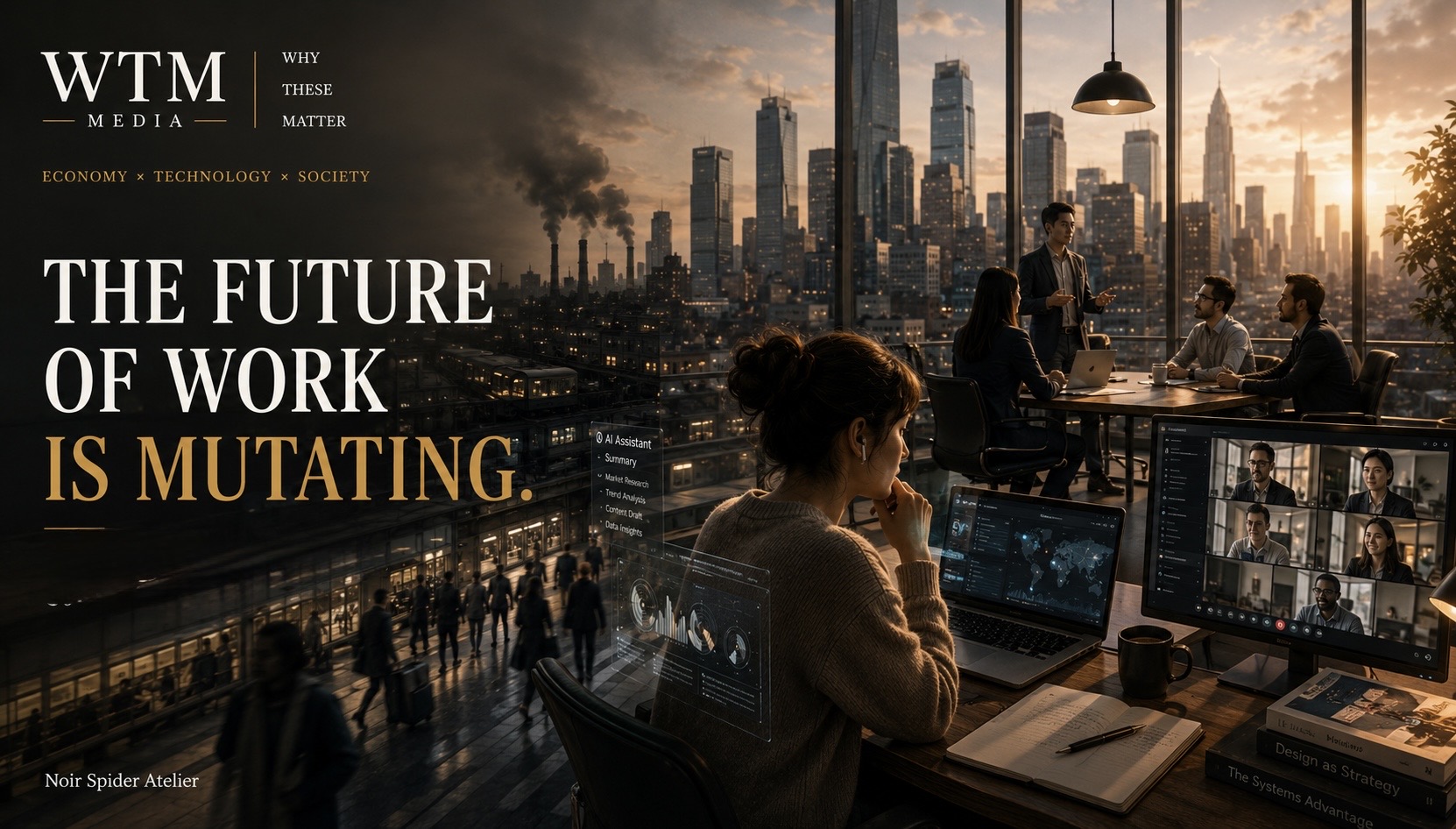
Every few years, the design industry announces its own demise. Print was supposedly replaced by digital. Graphic design would disappear beneath templates. User experience would be automated by artificial intelligence. Today, another familiar narrative is circulating: UX is dead. Yet this diagnosis mistakes a change in medium for a collapse in purpose. User experience is not disappearing. It is expanding beyond the screen into every system that shapes human behaviour. Louis Rosenfeld, one of the discipline’s foundational thinkers, has argued that UX is undergoing profound transformation rather than extinction. The growing influence of artificial intelligence, autonomous systems and organisational complexity demands designers who understand far more than interfaces. Increasingly, the most valuable practitioners are not pixel specialists but strategic thinkers capable of designing incentives, governance, decision-making, trust and institutional resilience. The future therefore belongs to a different kind of designer. Less concerned with arranging buttons, more concerned with orchestrating relationships between people, algorithms, organisations and society. UX is escaping websites, applications and devices because human experience has never been confined to screens. It has always been embedded within systems. As technology dissolves traditional boundaries, design itself is becoming one of the defining leadership disciplines of the twenty-first century.

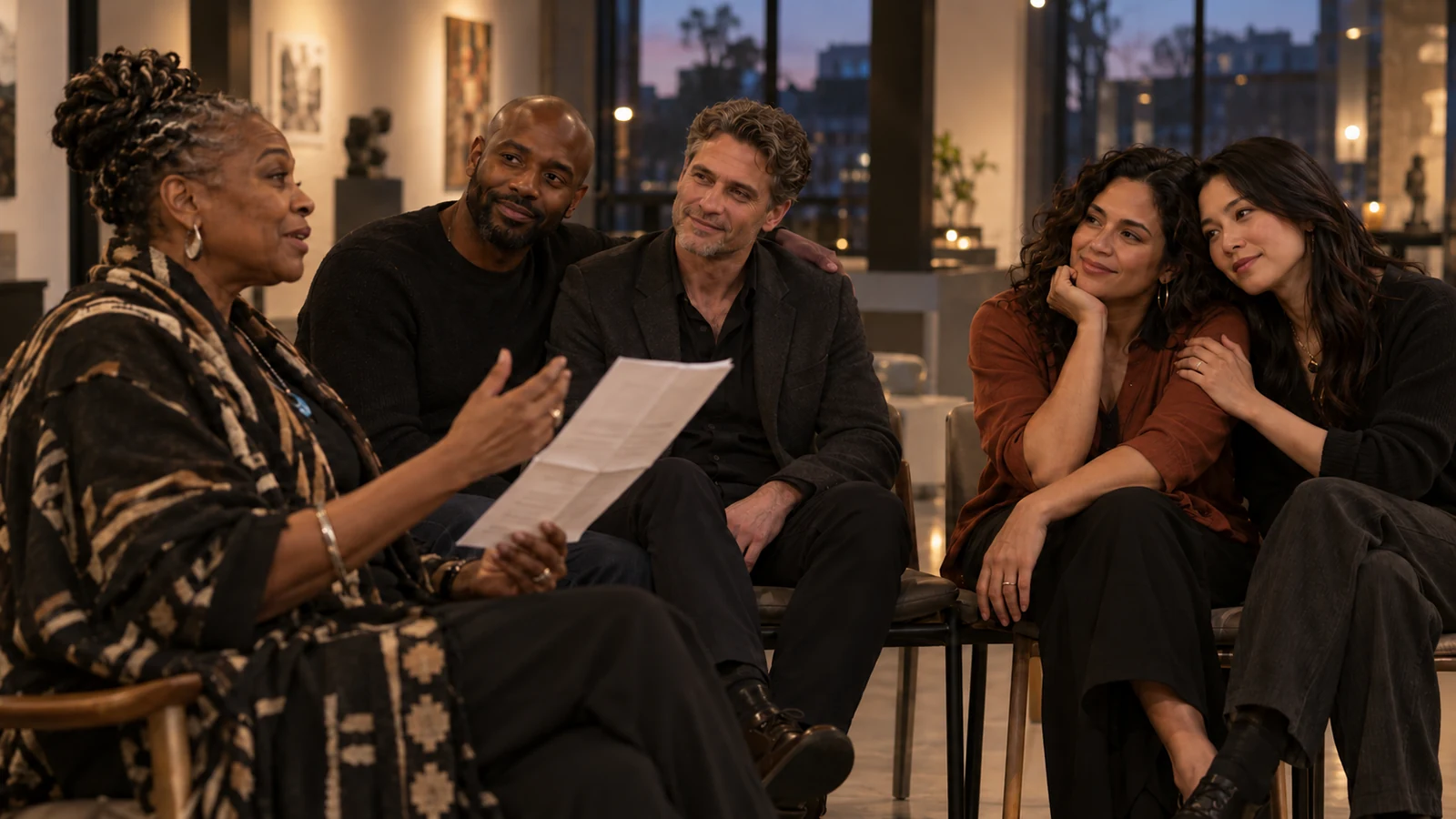
Fictional community reader in conversation with two interracial couples in an arts space.
Conceptual scene · Noir Spider Atelier. Fictional adults.

Join WTM Media Support Circle

WTM Media is independently funded and reader-supported. Contributions help sustain rigorous journalism, editorial research, interviews, and long-form analysis across design, systems, governance, technology, and culture.

Support via Stripe · $5/monthDiscuss support
Visual Intelligence · The Download Room

A perspective worth keeping.

Browse downloadable Visual Intelligence from WTM’s published editorials. Open a PDF to save it, and return to the full story for context.

Published editions · PDF downloads · Editorial context included

Conceptual scene of intergenerational adult editors reviewing a publication together.

pathway-design

Noir Spider Atelier

Conceptual scene of eight diverse adult leaders and researchers exchanging ideas.

pathway-institutions

Noir Spider Atelier

Conceptual scene of three diverse adult collaborators learning visual storytelling together.

pathway-technology

Noir Spider Atelier