The Global Economy Runs Through A Single Fault Line
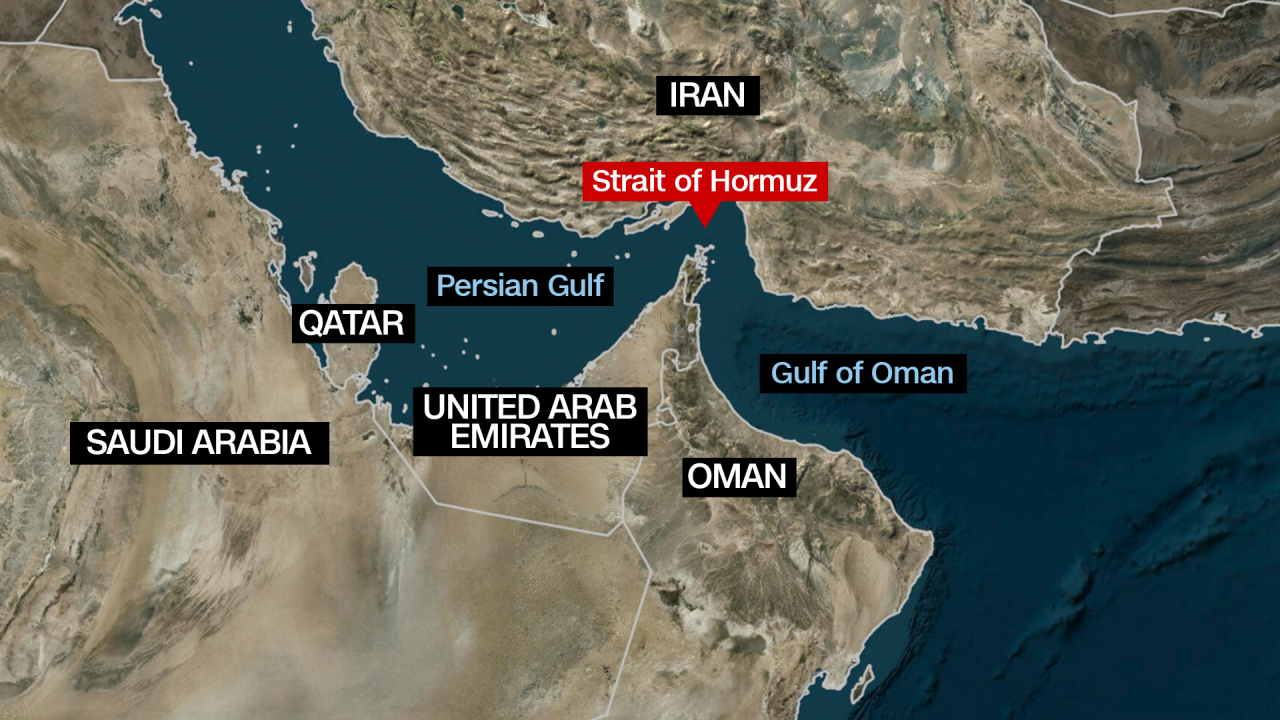
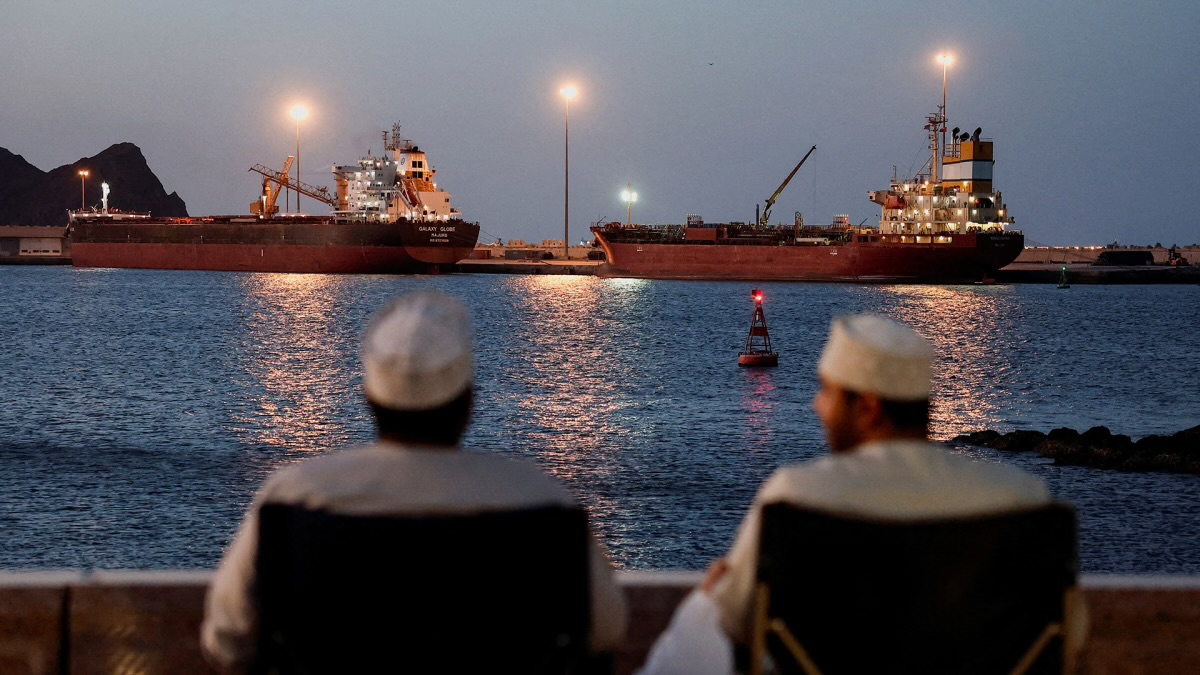
The architecture of the global energy system is built on a quiet but dangerous concentration: nearly one-fifth of the world’s petroleum supply moves through a single, narrow maritime corridor—the Strait of Hormuz. This is not merely a logistical convenience; it is a structural dependency that exposes how fragile the illusion of energy stability truly is. As Iran continues to channel oil to China under the constraints of sanctions, and as geopolitical tensions subtly reshape alliances, enforcement mechanisms, and market expectations, the assumption of uninterrupted energy flow begins to fracture. What appears to be a resilient, globalised system is, in fact, a tightly wound network of chokepoints, adaptive trade routes, and political signalling—each capable of amplifying disruption. This editorial reframes the Strait of Hormuz not as geography, but as infrastructure risk: a single corridor where efficiency has outpaced resilience, and where even minor instability can cascade into global economic shock.