Sacred Intimacy and the Biology of Human Connection
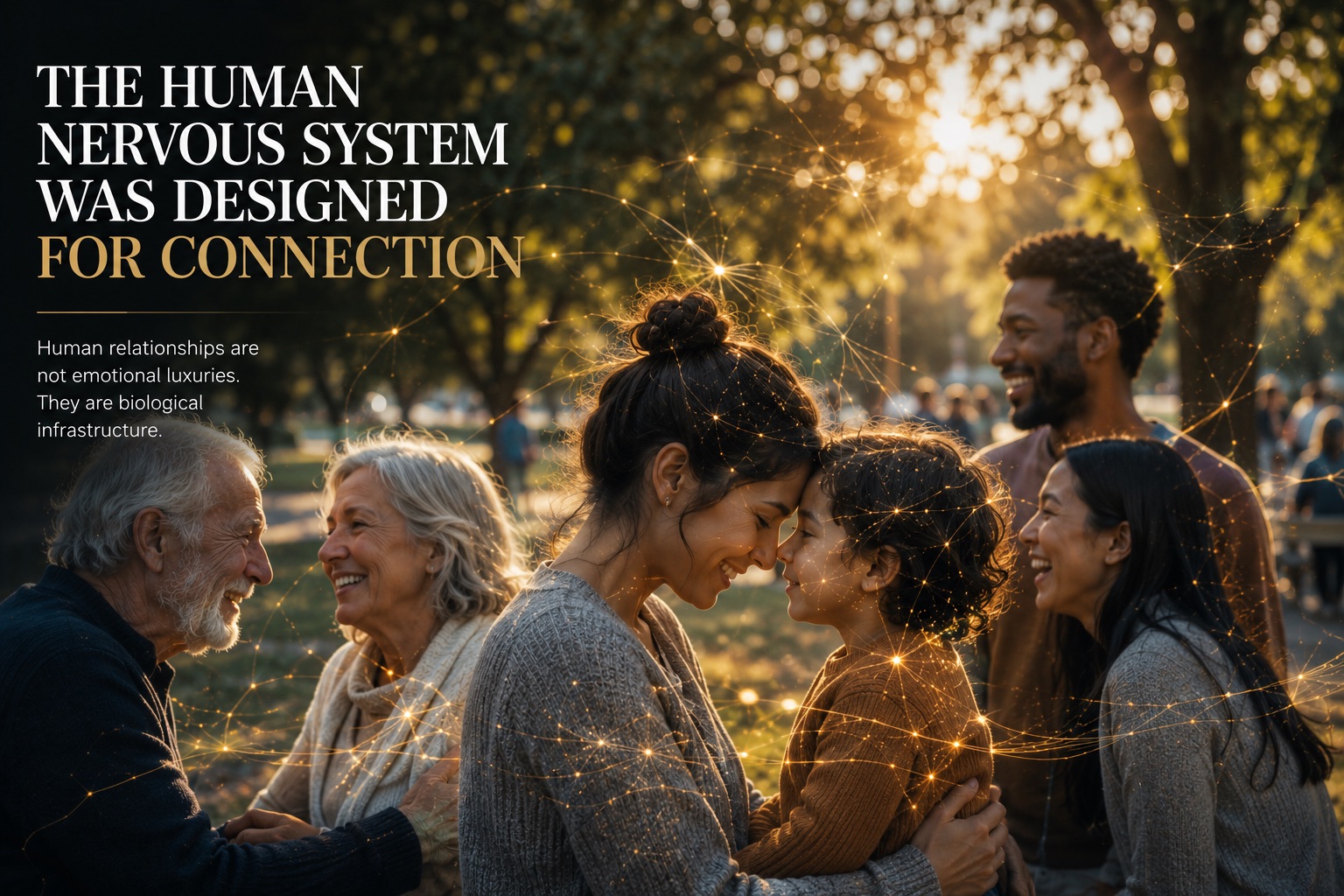
Human intimacy is often discussed through the language of romance, emotion, culture, or spirituality. Modern neuroscience reveals something deeper. Human connection is not merely a psychological experience. It is a biological event. Trust alters brain chemistry. Affection influences hormone regulation. Long-term bonding affects cardiovascular function, immune resilience, stress responses, and even longevity. Increasing evidence from neuroscience, endocrinology, psychoneuroimmunology, and behavioural medicine suggests that close human relationships do not simply affect wellbeing—they actively reorganise physiological systems. The body continuously interprets safety, belonging, attachment, and social connection as biological signals. In many respects, humans are designed not merely to survive individually but to regulate one another collectively. As loneliness, social fragmentation, and digital isolation become defining features of modern civilisation, understanding the biology of intimacy may prove increasingly important. The future of health may depend as much upon relationships as medicine.